Modern Waste Management Solutions for Industrial and Commercial Growth in the UAE
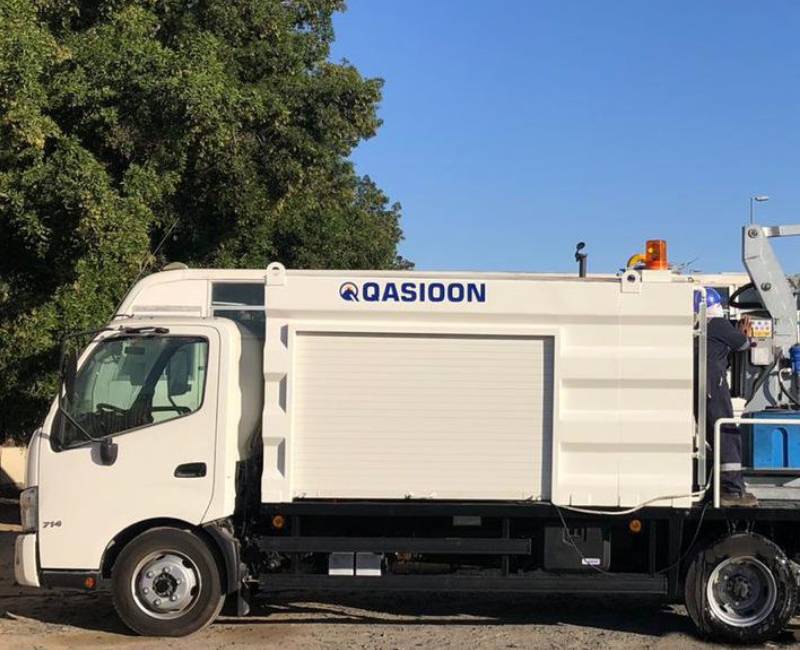
Rapid urban expansion and industrial development have transformed the way essential services are planned across the region. Efficient transportation, responsible waste handling, and reliable infrastructure now play a major role in maintaining clean and productive environments. Among the many specialized transport solutions supporting these operations, Sewage Tanker UAE services contribute significantly to the safe collection and movement of liquid waste from residential communities, commercial facilities, construction sites, and industrial locations.


Smart Waste Management
As cities continue to grow, the amount of wastewater generated also increases. Proper collection and transportation systems help prevent environmental contamination while supporting healthier living conditions. Well-organized waste management practices ensure that sewage is handled safely before reaching treatment facilities, reducing the risk of pollution and protecting valuable natural resources.
Modern operational planning also focuses on minimizing disruption during transportation. Efficient routing, scheduled collection, and proper equipment maintenance allow essential services to function smoothly without affecting surrounding communities.
The Importance of Safe Liquid Waste Transportation
Transporting liquid waste involves more than simply moving material from one location to another. Every stage requires careful planning, trained personnel, and equipment designed to maintain safety throughout the journey.
Proper containment prevents leakage during transit, while secure loading and unloading procedures reduce operational risks. These practices contribute to environmental protection and ensure compliance with industry regulations governing waste transportation.
Infrastructure That Supports Sustainable Development
Large infrastructure projects depend on dependable support services that operate behind the scenes. Residential developments, industrial facilities, hospitals, educational institutions, hospitality projects, and commercial complexes all require effective waste management systems to remain functional.
Reliable transportation networks help maintain uninterrupted operations while reducing the possibility of service delays. By integrating waste collection into broader infrastructure planning, developers create cleaner and more efficient communities that continue to perform well over time.
Environmental Responsibility as a Long-Term Priority
Environmental awareness has become a key consideration for businesses across multiple sectors. Organizations increasingly recognize that responsible waste handling is not only a legal obligation but also an important part of sustainable business practices.
Reducing environmental impact involves adopting safer transportation methods, following strict operational procedures, and investing in equipment that improves efficiency while minimizing resource consumption.
Essential Features of High-Quality Transport Equipment
Equipment used in industrial applications should deliver consistent performance under demanding operating conditions. Durability, structural integrity, and operational reliability are among the most important characteristics to consider.
Advanced engineering improves productivity by reducing maintenance requirements while increasing service life. Carefully selected materials help equipment withstand continuous use, challenging weather conditions, and exposure to corrosive substances.
Performance Through Preventive Maintenance
Routine inspection remains one of the most effective ways to maximize equipment performance. Regular servicing helps identify minor issues before they become major operational problems.
Maintenance schedules commonly include:
-
Inspection of structural components
-
Verification of safety systems
-
Cleaning and internal examination
-
Hydraulic system assessment
-
Valve and connection checks
-
Tire and braking inspections
-
Documentation of service records
Consistent preventive maintenance improves operational efficiency while extending equipment lifespan.
Supporting Industrial Productivity
Industrial facilities depend on uninterrupted support services to maintain daily operations. Manufacturing plants, processing facilities, logistics centers, and energy projects all require dependable transportation solutions that can adapt to changing operational requirements.
Careful scheduling allows transportation services to integrate seamlessly into production activities without creating unnecessary delays. This coordinated approach supports higher productivity and more efficient resource utilization.
Workforce Safety Matters
Operational success depends heavily on workplace safety. Employees working with industrial transport equipment should receive appropriate training covering inspection procedures, emergency response, loading techniques, and operational guidelines.
Personal protective equipment, communication protocols, and ongoing safety education contribute to reducing workplace incidents while promoting a strong safety culture throughout the organization.
Innovations Improving Operational Efficiency
Technological advancements continue to reshape industrial transportation. Digital monitoring systems provide better visibility into fleet performance, helping operators improve scheduling and reduce unnecessary downtime.
Modern tracking solutions allow managers to monitor operational efficiency while supporting better maintenance planning. These improvements enable businesses to optimize resources without compromising service quality.
Automation also assists in documenting inspections, maintenance activities, and compliance requirements, simplifying administrative processes and improving operational transparency.
Planning for Future Demand
Urban growth is expected to continue across the region, increasing demand for reliable infrastructure support. Businesses and public service providers must anticipate future requirements by investing in equipment capable of adapting to expanding operational needs.
Long-term planning includes evaluating fleet capacity, maintenance capabilities, workforce development, and technological improvements that enhance service reliability.
Factors That Influence Equipment Selection
Selecting industrial transport equipment involves balancing performance, durability, operating costs, and long-term value. Organizations often evaluate several factors before making investment decisions.
Important considerations include:
-
Operational capacity
-
Material quality
-
Ease of maintenance
-
Safety compliance
-
Fuel efficiency
-
Adaptability to different applications
-
Availability of replacement components
Evaluating these elements helps businesses make informed decisions that support long-term operational objectives.
Sustainable Operations for Tomorrow
Sustainability extends beyond environmental protection. It also includes maximizing equipment efficiency, reducing unnecessary operating expenses, and improving resource management.
Organizations adopting sustainable operational strategies often benefit from improved productivity, lower lifecycle costs, and stronger environmental performance. These advantages contribute to long-term business resilience while supporting responsible industrial development.
Conclusion
Industrial growth continues to create new opportunities while increasing the need for dependable infrastructure support. Organizations that prioritize operational efficiency, environmental responsibility, and equipment reliability are better positioned to meet evolving demands. Investing in high-quality engineering solutions, including those developed by a trusted Pressure Vessel Manufacturer, strengthens industrial performance, enhances workplace safety, and supports sustainable development for years to come.
What's Your Reaction?