Dental Implantology: A Modern Approach to Replacing Missing Teeth
implantologÃa dental en terrassa
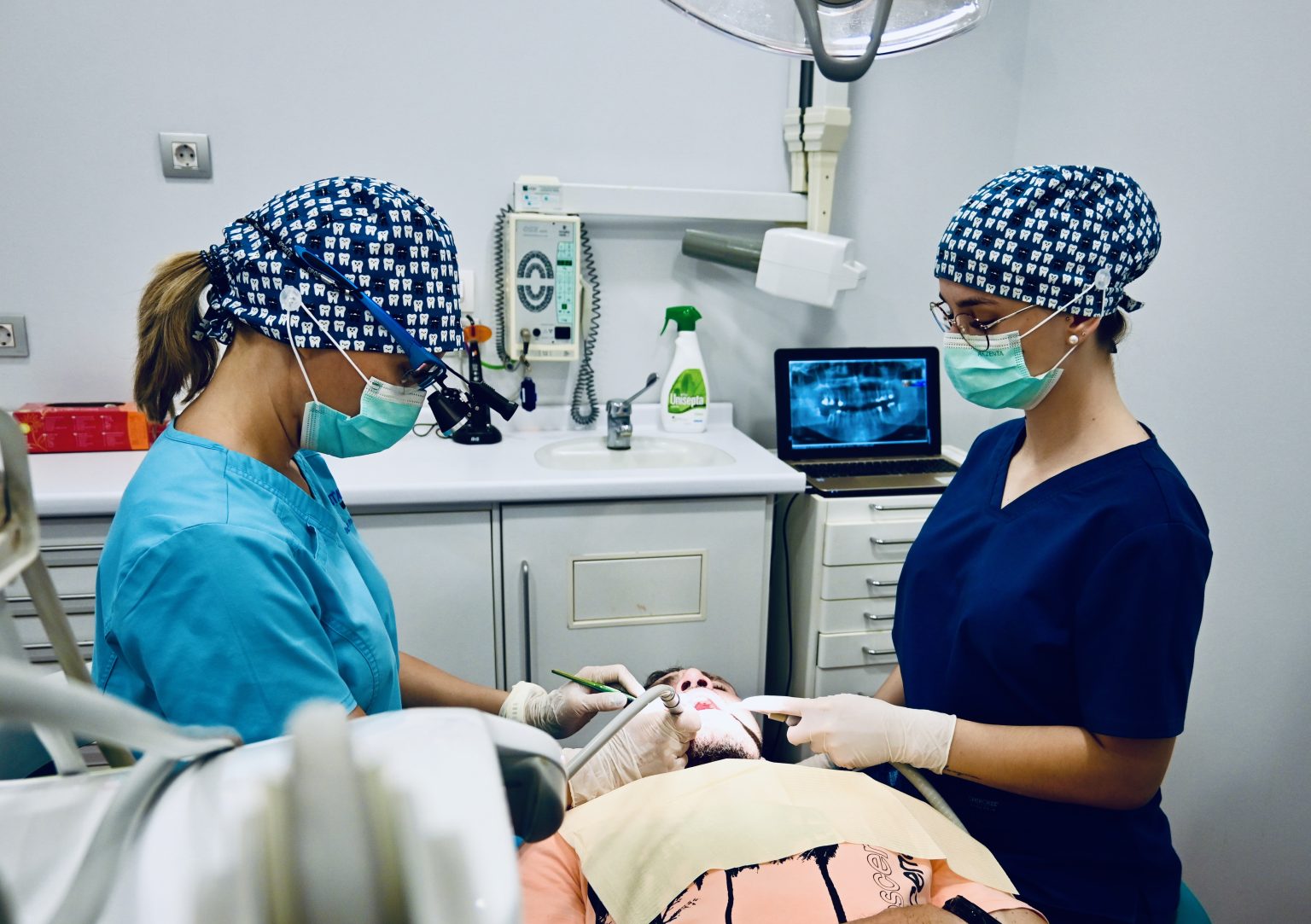
Losing a tooth can affect much more than the appearance of a smile. A missing tooth may make chewing less comfortable, influence speech, and create a gap that changes the balance of the surrounding teeth. Fortunately, modern dentistry offers reliable solutions for restoring both the function and appearance of a complete smile. implantologÃa dental en terrassa is one of the most established approaches for replacing missing teeth and creating stable, natural-looking restorations.


Rather than simply covering the visible gap, implant treatment is designed to provide support from within the jaw. With careful planning and professional care, dental implants can become a strong foundation for replacement teeth and help patients regain confidence in everyday activities.
Understanding Dental Implantology
Dental implantology is the area of dentistry concerned with the planning and placement of dental implants. An implant is a small structure, commonly made from biocompatible titanium, that is positioned within the jawbone to provide support for a dental restoration.
Once the implant has integrated with the surrounding bone, it can support a crown, bridge, or other prosthetic restoration. The visible replacement tooth is designed to resemble the surrounding natural teeth, helping create a balanced and harmonious smile.
The process is carefully planned for each patient because factors such as bone condition, gum health, bite, and the location of the missing tooth can influence treatment.
Why Dental Implants Are Different
Traditional tooth replacement options can restore the visible portion of a missing tooth, but dental implants offer support directly from the jaw. This can provide greater stability than some removable alternatives.
An implant-supported crown is designed to stay securely in place during normal activities such as eating and speaking. Patients do not generally need to remove an individual implant-supported crown for routine daily activities.
Another important consideration is the effect of tooth loss on the jawbone. When a natural tooth is lost, the bone in that area may gradually change because it no longer receives the same stimulation from the tooth root. Dental implants can provide a form of root replacement and may help maintain the structure of the surrounding bone.
Who May Benefit From Dental Implants?
Dental implants may be suitable for adults who have lost one or more teeth and want a stable replacement. They can be used for individual missing teeth, multiple missing teeth, and certain situations involving complete tooth loss.
However, not every patient is automatically a candidate for implant treatment. Healthy gums, sufficient bone support, and good general oral care are important considerations.
A dental examination allows the clinician to assess the condition of the mouth and determine whether implants are appropriate. In some cases, additional procedures may be recommended before implant placement to improve the available foundation.
The Importance of Treatment Planning
Successful implant treatment begins long before the implant is placed. Careful planning helps the dental team understand the patient's anatomy and determine the most suitable position for the implant.
Dental examinations may include digital scans, X-rays, photographs, and other diagnostic methods. These records can provide valuable information about bone volume, neighboring teeth, and the position of important anatomical structures.
The planned restoration is also an important part of the process. The implant should not only be positioned securely but should also support a replacement tooth that fits comfortably with the patient's bite and complements the surrounding smile.
What Happens During Implant Treatment?
The exact treatment process varies depending on the patient's circumstances. In a straightforward case, the implant is placed into the jawbone and allowed time to heal. During this healing period, the bone gradually integrates with the implant surface, creating a stable foundation.
After the appropriate healing period, the dental restoration can be attached. The replacement tooth is carefully designed to provide suitable shape, size, and appearance.
Some patients may require additional preparation before or during implant treatment. Because every case is different, the dental professional should explain the expected stages and approximate treatment timeline during the consultation.
Maintaining Good Oral Hygiene
Dental implants are not immune to oral health problems. Even though an implant itself cannot develop a cavity like a natural tooth, the surrounding gums and tissues still require careful attention.
Regular brushing, cleaning between teeth, and professional dental examinations are essential. Patients should follow the cleaning recommendations provided by their dental team, particularly around implant-supported restorations.
Good oral hygiene helps protect the tissues surrounding the implant and supports the long-term health of the remaining natural teeth.
The Role of Professional Follow-Up
Follow-up appointments are an important part of implant care. Dental professionals can check the condition of the implant, restoration, gums, and surrounding teeth.
Regular monitoring can help identify problems at an early stage. If a patient notices persistent discomfort, swelling, bleeding, movement, or changes around an implant, professional advice should be sought rather than waiting for the problem to resolve on its own.
Long-term implant success depends not only on the original procedure but also on ongoing maintenance and good oral habits.
Restoring Confidence Along With Function
A missing tooth can make people feel self-conscious when smiling, talking, or eating around others. A well-planned implant restoration can help recreate the appearance of a natural tooth while providing dependable support.
The goal is not simply to fill an empty space. Modern implant treatment considers the relationship between the replacement tooth, surrounding teeth, gums, bite, and overall facial appearance.
For many patients, restoring a missing tooth can therefore provide both practical and emotional benefits.
Choosing the Right Dental Care
Selecting implant treatment is an important decision that should begin with a thorough professional assessment. A qualified dental team can evaluate the patient's oral health, explain available options, discuss potential benefits and limitations, and develop an individualized treatment plan.
What's Your Reaction?










![[ Latest Report ] Food Biotechnology Market 2025 Industry Growth Production Analysis with top players](https://likelylike.com/assets/img/bg_slider.png)