How Long Does It Take for a Septic Tank to Fill Up After Pumping?
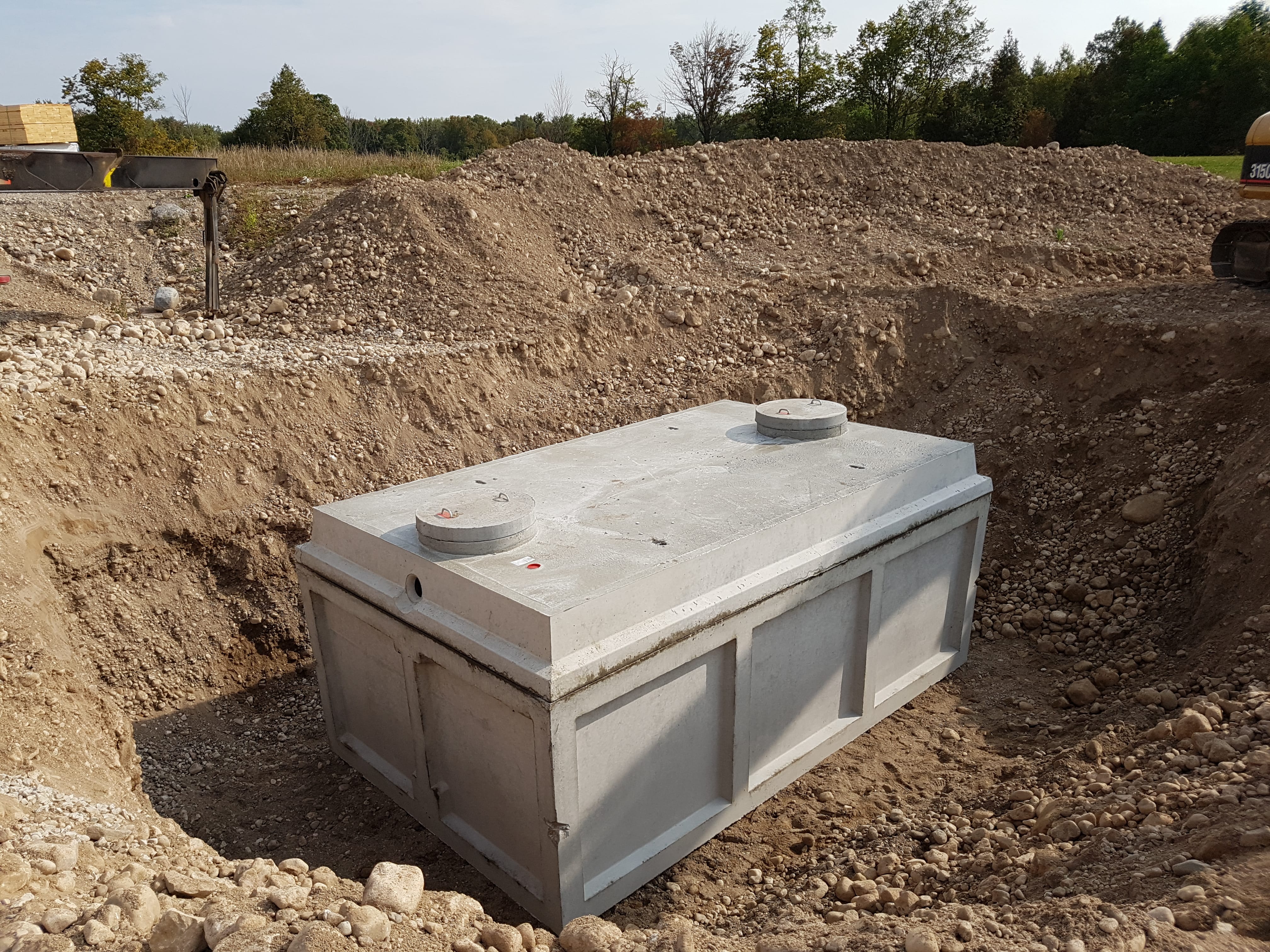
If you recently had your septic tank pumped, you may wonder how long it will take before it fills up again. The short answer is that a septic tank refills with wastewater relatively quickly—often within a few days—but that does not mean it needs to be pumped again.


A properly functioning septic tank is designed to hold wastewater temporarily while solids settle and liquid effluent flows to the drainfield. The solids gradually accumulate over time and are what eventually require professional pumping.
For most households, septic tanks are typically pumped every 3 to 5 years, although the ideal schedule depends on tank size, household size, water usage, and the amount of solids entering the system.
How Quickly Does a Septic Tank Refill After Pumping?
A septic tank does not stay empty after pumping. As soon as you flush a toilet, take a shower, run the washing machine, or use a sink, wastewater enters the tank.
For example, a household using several hundred gallons of water per day can put hundreds of gallons of wastewater into its septic system. However, the liquid portion normally leaves the tank through the outlet and continues toward the drainfield.
This means the tank's liquid level can return to its normal operating level relatively quickly, sometimes within a day or several days depending on household water use.
The important distinction is between water filling the tank and solids filling the tank. Solids such as sludge and scum accumulate much more slowly. Those solids are the primary reason regular septic pumping is necessary.
What Determines How Fast a Septic Tank Fills With Solids?
Several factors affect how frequently your tank needs pumping.
1. Household Size
More people generally means more wastewater and more solids entering the septic tank. A home with six occupants will typically accumulate solids faster than a home occupied by one or two people.
2. Septic Tank Size
A larger tank generally provides more capacity for sludge and scum accumulation. A smaller tank may need pumping more frequently, particularly when serving a larger household.
3. Water Usage
Excessive water use puts additional hydraulic pressure on the septic system. Running multiple loads of laundry in one day, taking long showers, or using large amounts of water at once can increase the wastewater entering the tank.
The EPA recommends using water efficiently and spreading water-intensive activities throughout the week to reduce strain on a septic system.
4. Garbage Disposal Use
Garbage disposals can introduce additional solids into a septic system. Those solids can contribute to faster accumulation and may increase how often the tank needs pumping.
5. What Goes Down the Drain
Your septic system is not designed to handle household trash. Flushing wipes, paper towels, feminine hygiene products, diapers, grease, and other inappropriate materials can contribute to clogs and septic problems.
The EPA recommends flushing only human waste and toilet paper.
How Often Should You Pump Your Septic Tank?
There isn't one exact schedule that works for every property. As a general guideline, the EPA recommends having a septic system inspected every 1 to 3 years and having the tank pumped approximately every 3 to 5 years, depending on household and system conditions.
Your septic professional can determine whether pumping is necessary by examining the sludge and scum levels rather than simply estimating based on how long it has been since your last service.
Keeping records of previous inspections and pumping can also help you establish a maintenance schedule that fits your specific system.
Does a Full Septic Tank Mean You Have a Problem?
Not necessarily.
A septic tank is supposed to contain wastewater during normal operation. The problem occurs when excessive sludge or scum accumulates, wastewater cannot properly leave the tank, or another part of the septic system develops a problem.
Signs that your septic system may need attention include:
-
Toilets or drains backing up
-
Slow-draining sinks, showers, or bathtubs
-
Gurgling plumbing
-
Sewage odors around the tank or drainfield
-
Standing water near the septic system
-
Unusually lush or wet grass over the drainfield
These can be signs of a malfunctioning septic system and should not be ignored.
When Do You Need Septic Tank Pumping Emergency Service?
If sewage is backing up into your home, you may have more than a routine maintenance issue. A backup can result from an overly full tank, a blocked pipe, drainfield problems, or another septic system malfunction.
In this situation, contact a qualified septic professional promptly. Avoid contact with sewage, particularly when it has entered living areas, because wastewater can contain harmful pathogens.
If you're experiencing an septic tank pumping emergency, minimizing water use until a professional evaluates the system can also help prevent additional wastewater from entering an already stressed system.
How Can You Make Your Septic Tank Last Longer Between Pumpings?
Regular maintenance is the best way to reduce the likelihood of unexpected septic problems.
You can help protect your system by:
-
Scheduling professional inspections
-
Pumping the tank when recommended
-
Conserving water
-
Fixing leaking toilets and faucets
-
Spreading laundry throughout the week
-
Keeping grease and household chemicals out of drains
-
Flushing only toilet paper and human waste
-
Keeping heavy vehicles away from the drainfield
A well-maintained septic system can provide reliable service for many years, while neglect can allow solids to migrate into the drainfield and contribute to costly failures.
Final Thoughts
So, how long does it take for a septic tank to fill up after pumping? The liquid level can return to normal surprisingly quickly because wastewater enters the tank every time you use water. However, the sludge and scum that determine when pumping is actually needed accumulate much more slowly.
For many households, professional pumping every 3 to 5 years is a reasonable starting point, but your actual schedule should be based on your tank size, household usage, and professional inspection results.
If you're dealing with slow drains, sewage odors, backups, or an urgent septic problem, don't wait for the situation to get worse. Arbor Well & Septic can help you determine whether your system needs routine maintenance or immediate attention.
What's Your Reaction?