US Open 2026 Night Sessions: Matches That Will Define the Summer
There is something distinctly electric about tennis played under the lights of Arthur Ashe Stadium. The US Open has long embraced its reputation as the loudest, most raucous Grand Slam, and the night session format has become one of its defining features. As the summer hard court season builds toward New York, the 2026 edition is shaping up to deliver another round of unforgettable prime-time tennis.

There is something distinctly electric about tennis played under the lights of Arthur Ashe Stadium. The US Open has long embraced its reputation as the loudest, most raucous Grand Slam, and the night session format has become one of its defining features. As the summer hard court season builds toward New York, the 2026 edition is shaping up to deliver another round of unforgettable prime-time tennis.


This article breaks down why night sessions carry such weight at the US Open, which storylines are likely to headline the evening schedule this year, and how the New York crowd continues to shape the character of the tournament.
Why Night Tennis Hits Differently
Playing under artificial lighting changes more than just the atmosphere — it genuinely affects how the ball moves and how players perceive depth and spin, particularly in the humid late-summer conditions typical of New York in early September. Some players openly prefer the cooler night air, while others find the visual adjustment challenging enough that it becomes a real tactical factor.
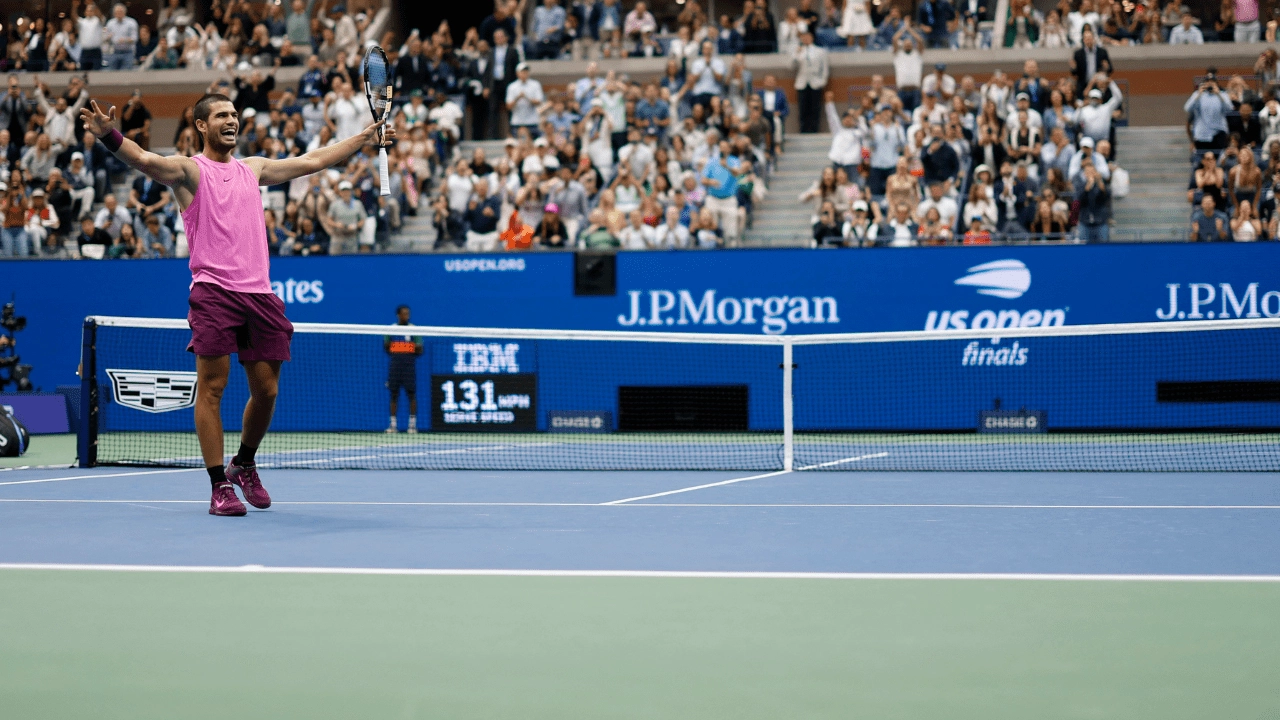
The energy from the crowd also intensifies after dark. New York audiences are famously vocal, and night matches at Arthur Ashe often feel closer to a concert than a traditional tennis match, with fans reacting loudly to big points in ways that can genuinely influence momentum on court.
Scheduling two singles matches per night session has also become a signature format, often pairing a marquee men's match with an equally compelling women's match, giving fans a full evening of high-stakes tennis rather than a single feature match.
Storylines Heading Into New York
Coming off the grass court season, several players will be looking to New York as a chance to reset after early Wimbledon exits, while others will be hoping to carry momentum from a strong summer hard court swing directly into the year's final major. That contrast between players in top form and players seeking redemption tends to produce some of the most dramatic early-round matches of the tournament.
The US Open's history of late-night finishes — matches stretching past 1 a.m. local time — has also become part of tournament folklore, and debates about player welfare and scheduling continue to be a talking point heading into this year's event. Expect further discussion around start times and match length caps as the tournament unfolds.
On the doubles side, night sessions occasionally feature standout doubles teams as a undercard attraction, giving fans in the stadium a rare chance to see doubles tennis get the primetime spotlight it doesn't always receive at other majors.
The New York Crowd Factor
Few tennis crowds are as passionate — or as unpredictable — as the one inside Arthur Ashe Stadium during a night session. Players have spoken for years about how the energy inside the stadium can shift dramatically within a single game, with the crowd rallying behind an underdog or turning up the volume during a tense tiebreak.
This unique atmosphere has made the US Open a favorite among fans who enjoy following live sports with genuine unpredictability, whether they're watching in person, on television, or tracking updates through a mobile app. Fans who follow multiple sports throughout the late summer often juggle checking tennis scores alongside cricket updates from ongoing series; the same instinct that leads someone to check a cricbet99 vip for live cricket scores is exactly what tennis fans do during a gripping night session tiebreak, refreshing scores between changeovers to stay caught up.
What to Watch For This Year
As the tournament approaches, keep an eye on the official night session schedule releases, which are typically announced a day in advance and often reveal which matchups organizers believe will draw the biggest crowds. These scheduling decisions are usually a good indicator of which storylines the tour itself considers most compelling heading into the event.
Weather is always a factor in late summer New York, and rain delays have occasionally pushed day session matches into the evening slate in past years, creating unexpected scheduling chaos that fans should be prepared for when following the tournament closely.
The Roof at Ashe and How It Changes the Game
Arthur Ashe Stadium's retractable roof has become an important part of modern US Open scheduling, allowing organizers to guarantee that marquee night matches go ahead even when afternoon storms roll through New York. Players have noted that indoor conditions under a closed roof can speed up the court noticeably, favoring bigger hitters over defensive counter-punchers.
This shift in conditions occasionally becomes a talking point mid-tournament, particularly when a match begins outdoors and is later interrupted, resuming under a closed roof with a visibly different pace to the ball. Broadcasters and commentators have grown accustomed to flagging this adjustment for viewers, since it can meaningfully affect the outcome of close, high-stakes matches.
Food, Fashion, and the US Open Experience
Beyond the tennis itself, the US Open has cultivated a reputation as much a cultural event as a sporting one, with celebrity sightings, elaborate food offerings across the grounds, and bold on-court fashion choices from players all becoming part of the broader storyline every August and September.
This blend of entertainment and elite competition has helped the tournament attract a broader, younger audience in recent years, many of whom follow the event as much for its atmosphere and social media moments as for the tennis rankings implications, further fueling the electric energy that defines the night session experience.
The Louis Armstrong and Grandstand Undercards
While Arthur Ashe Stadium gets most of the night session attention, the day matches at Louis Armstrong Stadium and the Grandstand have developed their own passionate following, often featuring closely fought matches that don't get the same broadcast spotlight but are frequently just as competitive. Seasoned US Open attendees know that some of the tournament's best tennis happens away from the main show court.
This secondary tier of matches has become an important proving ground for players building toward their own future night session appearances, with strong performances on these courts often serving as the springboard for a player's first career night match under the Ashe lights.
Hard Courts and the Late-Summer Grind
By the time the tour reaches New York, players have already logged a demanding summer swing of hard court tournaments across North America, and fatigue management becomes just as important as pure tennis skill. Players who pace their summer schedules carefully, choosing which warm-up events to play and which to skip, often arrive in New York fresher than those who compete in every available tournament leading up to the major.
This late-season fatigue factor is one of the less visible but genuinely important storylines of the US Open, cricbet frequently explaining unexpected early exits from higher-seeded players who simply ran out of gas after a grueling summer stretch.
Heat, Humidity, and On-Court Cooling Breaks
Late summer conditions in New York can be brutally humid, and the tournament's heat policy allows for designated cooling breaks during particularly demanding matches. Players have varying tolerances for these conditions, and how well an athlete manages hydration and body temperature over a long match can become just as decisive as their shot-making on a given day.
Retractable roof usage has also intersected with heat management in recent years, since closing the roof during oppressively humid afternoons can trap heat rather than provide relief, forcing tournament officials to weigh air conditioning capacity against rain protection when making real-time roof decisions during marquee matches.
The Mixed Doubles Exhibition Effect
In recent seasons, the US Open has experimented with showcasing mixed doubles matches featuring some of the game's biggest singles stars, drawing considerable crowd interest and giving fans a lighter, more relaxed alternative to the intensity of singles competition. These matches have proven to be a valuable audience-building tool, particularly for reaching fans who might not otherwise watch doubles tennis closely.
This format experimentation reflects the tournament's broader willingness to innovate around tradition, a trend likely to continue as organizers look for new ways to keep the event feeling fresh for both longtime fans and newcomers discovering the sport for the first time.
Security, Logistics, and Running a Major in a Major City
Hosting a two-week Grand Slam inside one of the world's busiest cities presents logistical challenges few other tournaments face, from managing enormous daily crowds moving through public transit to coordinating security across a sprawling multi-court complex. Behind-the-scenes operations teams have refined these processes over decades, but each year still brings new adjustments based on lessons learned from the previous edition.
Transportation partnerships with local authorities help manage the flow of tens of thousands of daily attendees, and the tournament's logistical planning has increasingly incorporated technology such as mobile ticketing and digital wayfinding to reduce congestion and improve the overall fan experience across the sprawling Flushing Meadows grounds.
Broadcast Innovation and the Streaming Shift
The US Open has been one of the more aggressive majors in embracing streaming-first broadcast strategies, offering extensive multi-court coverage options that let fans choose their own viewing experience rather than relying solely on a single main broadcast feed. This approach has proven especially popular among younger fans who prefer following several matches simultaneously rather than committing to one feature match for an entire evening.
Interactive statistics overlays, player tracking data, and instant replay tools have all become standard parts of the digital viewing experience, giving remote fans access to a level of detail that even in-person attendees sometimes lack, a shift that has meaningfully changed how casual fans engage with the tournament from outside Flushing Meadows.
This digital-first approach is expected to keep expanding in future editions, with organizers continuing to experiment with new formats for delivering night session drama to audiences well beyond the New York metropolitan area.
Conclusion
The US Open's night sessions have become a cornerstone of the tennis calendar, blending elite competition with a one-of-a-kind atmosphere that few other events in the sport can match. As the 2026 tournament approaches, expect the evening schedule to once again deliver some of the most memorable matches of the entire season, capping off the summer hard court swing in true New York fashion.
What's Your Reaction?