How Does Electric Drivetrain Gear Manufacturing Ensure Traceability?
Electric drivetrain gear manufacturing involves more than machining accurate teeth. Material selection, heat treatment, tooth finishing, dimensional inspection, and batch traceability all influence how a gear performs once installed in an electric axle or reduction system. For buyers, understanding these details can make supplier evaluation more practical.
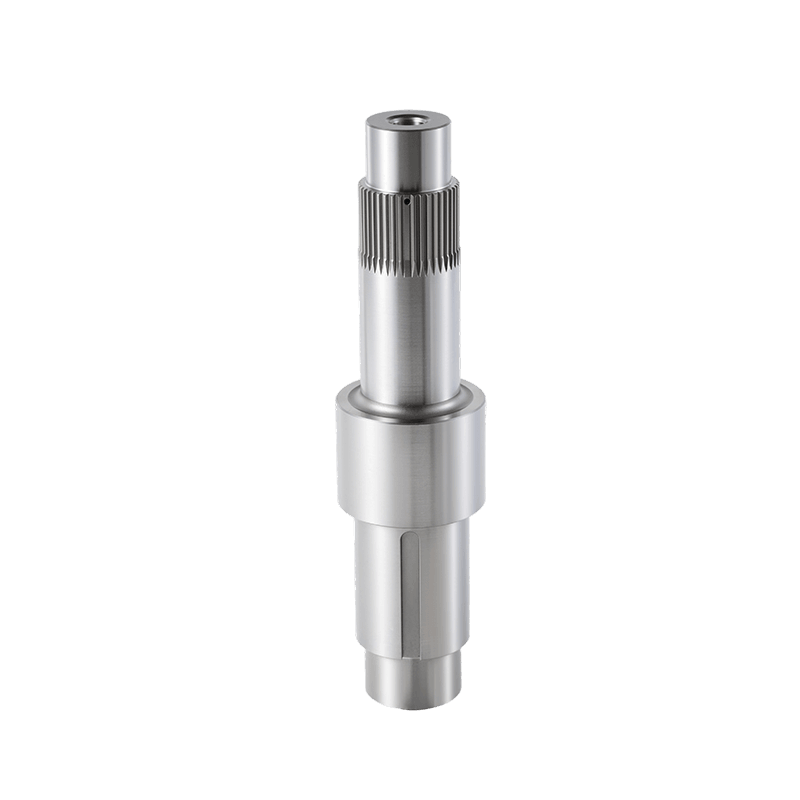
Electric drivetrain gear manufacturing starts long before the gear teeth are finished. The choice of raw material and blank method already affects the final part, particularly when the gear will operate under repeated torque changes and high rotational speeds. Forged blanks are often considered for demanding applications because their grain flow can follow the general shape of the component, while bar stock can be more practical for lower-volume production or simpler geometries.


Heat treatment is another stage that deserves attention during specification review. Electric motors can deliver high torque immediately, placing different demands on reduction gears compared with many conventional drivetrain components. Surface hardness needs to provide wear resistance, but the core still needs sufficient toughness to handle repeated loading. At the same time, hardening can introduce dimensional distortion. For electric drivetrain gear manufacturing, controlling this distortion is important because small changes in tooth geometry, bore size, or concentricity can affect final assembly and operating behavior.
Tooth finishing also depends on where the gear will be used. Passenger EV applications can have strict requirements for operating noise because drivetrain sounds are more noticeable inside a quiet vehicle cabin. Industrial electric vehicles may have different priorities. Grinding, honing, or other finishing processes therefore need to be selected according to the required accuracy, surface condition, noise level, and expected service life rather than simply using the same finishing method for every gear.
The interfaces around the gear deserve equal attention. Bore dimensions, mounting faces, shaft fits, and concentricity determine how accurately the component sits inside an e-axle or reduction gearbox. A gear can meet its tooth dimensions while still creating an assembly problem if the surrounding interfaces are outside tolerance.
For buyers, inspection records are particularly useful when evaluating electric drivetrain gear manufacturing suppliers. Dimensional reports, runout measurements, heat-treatment records, and material certificates create a traceable connection between the finished component and the production batch. This becomes more important when gears are supplied to automotive OEMs or Tier suppliers, where a quality issue may need to be traced back to a specific material lot or manufacturing stage.
Documentation such as EN 10204 3.1 material certificates can support this traceability, while batch identification allows finished gears to be connected with their raw material and processing records. Export packaging should not be overlooked either. Rust prevention, protective wrapping, and carton design need to match the actual transportation route and storage conditions.
A reliable electric drivetrain gear manufacturing process is therefore built around consistency rather than one successful sample. Material selection, thermal processing, machining accuracy, finishing, inspection, and documentation all need to remain controlled when production moves from prototype quantities to regular OEM supply.
What's Your Reaction?