How Does a Fitted Solid Plush Sheet Show Color Quality?
A fitted solid plush sheet has a simple appearance, but its solid surface makes small differences in color, fabric texture, and finishing easier to notice. For buyers, dye lot consistency, plush nap direction, elasticized corners, and pilling resistance are practical details worth checking before ordering multiple pieces or matching bedding sets.
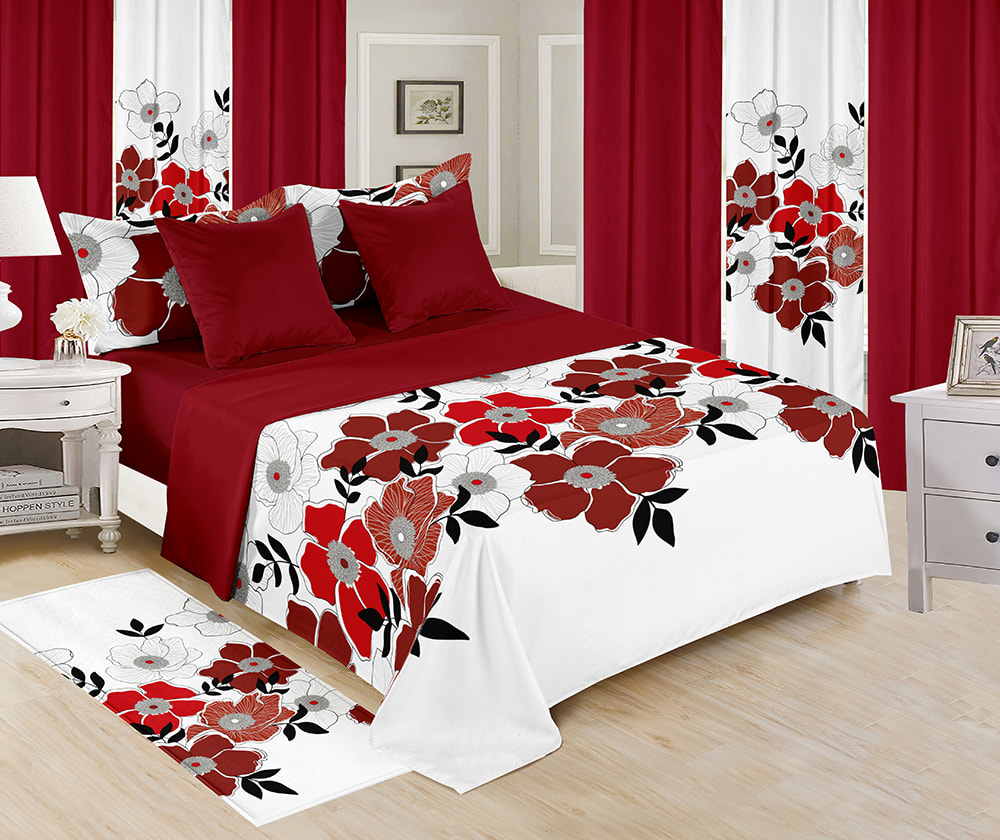
A fitted solid plush sheet gives buyers a clear view of fabric consistency because there is no printed pattern to hide small variations. A slight difference in shade across a large surface can become noticeable under natural or bedroom lighting, especially when the sheet is used together with pillowcases or flat sheets produced in separate batches.


Dye lot control is therefore particularly important for solid-color bedding. Even when two batches use the same color reference, differences in dye concentration, fabric preparation, or processing conditions can produce slightly different results. Buyers ordering matching bedding sets should ideally confirm that the different pieces are produced from the same dye lot or are checked against the same physical color standard before packing.
The plush surface introduces another variable. The direction and density of the raised fibers affect how light reflects from the fabric, which can make one section appear lighter or darker even when the underlying dye is consistent. Brushing conditions therefore influence the visual result of a fitted solid plush sheet, particularly when the pile is relatively deep and the surface direction is easy to see.
The elasticated corners also deserve attention. Unlike the central part of the sheet, these areas repeatedly stretch around the mattress and experience additional mechanical tension during fitting and removal. Over time, this can flatten the plush surface around the corners more quickly than on the center panel. A consistent brushing treatment and suitable elastic construction can help reduce the visual difference between high-stress and low-stress areas.
Pilling is another consideration when evaluating plush bedding. The tendency to form pills depends more on fiber characteristics, yarn construction, brushing, and finishing than on whether the fabric is solid or printed. However, pills are generally easier to notice against a uniform color. Buyers comparing samples should therefore inspect the surface after repeated rubbing or washing rather than judging appearance only from a new sample.
For multi-piece bedding programs, physical color matching can be more useful than relying entirely on written color specifications. A fitted solid plush sheet may look acceptable when viewed individually, while a small shade difference becomes obvious when placed beside a matching pillowcase or flat sheet. Checking finished pieces under consistent lighting gives buyers a more realistic indication of how the complete set will look.
The simplicity of a solid-color design consequently makes quality control more visible, not less important. Dye consistency, nap uniformity, corner durability, and surface performance all contribute to whether a fitted solid plush sheet continues to look consistent after repeated use and washing.
What's Your Reaction?