How Blockchain Infrastructure Supports End-to-End RWA Tokenization
Learn how blockchain infrastructure supports RWA Tokenization by enabling secure asset records, smart contracts, and efficient management of tokenized real-world assets.
Introduction
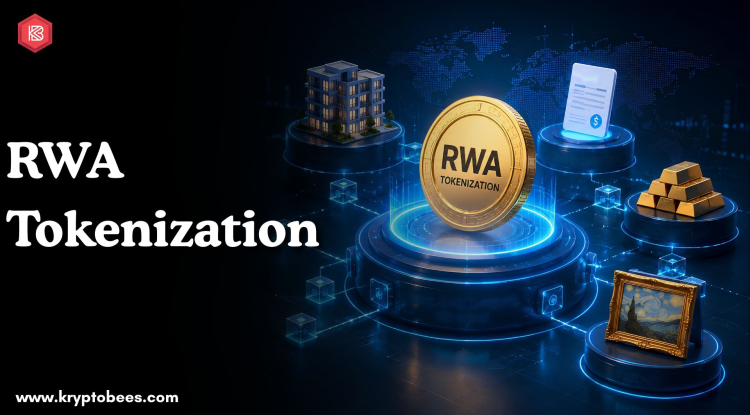
The process of converting a Real World Asset, such as real estate, commodities, bonds, or invoices, into digital tokens on a blockchain network allows businesses to represent ownership in a digital format and manage assets more efficiently. This approach, commonly known as RWA Tokenization, is gaining attention as organizations look for better ways to improve asset accessibility and ownership management.


Blockchain Creates a Secure Record of Ownership
A reliable RWA tokenization platform uses blockchain technology to store ownership records and transaction data. Since the information is recorded on a distributed ledger, every transaction can be tracked and verified. This helps reduce disputes and improves trust between asset owners and investors.
Smart Contracts Simplify Asset Management
Many Real World Asset Tokenization services use smart contracts to automate important tasks such as token issuance, ownership transfers, and compliance procedures. Automation reduces paperwork and helps businesses manage tokenized assets with fewer manual processes.
Improving Transparency and Security
Companies that use Asset Tokenization Services need secure systems to protect asset information. Blockchain infrastructure maintains a permanent record of transactions, making it easier to verify asset ownership and transaction history. This transparency is important for businesses, investors, and regulatory requirements.
Supporting Complete Tokenization Platforms
The demand for real world asset tokenization platform development is increasing as more organizations explore digital asset management. A well-designed platform combines blockchain networks, identity verification, compliance tools, and asset management systems to support the entire tokenization process from asset creation to trading.
Conclusion
Blockchain infrastructure plays an important role in RWA Tokenization by providing secure records, automated processes, and transparent asset management. As more businesses adopt tokenization, strong blockchain systems will continue to support the growth and management of digital representations of real-world assets.
What's Your Reaction?
























