Gold Wedding Bands for Women: What Should You Know Before Buying?
Learn what to consider before buying gold wedding bands for women, including gold purity, colors, styles, sizing, comfort, finishes, and care.
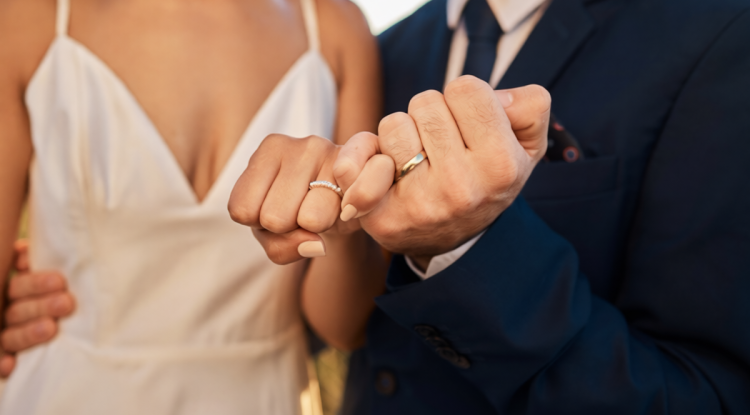
Choosing a wedding band is an important part of preparing for your special day. It is a piece of jewelry you may wear every day for many years, so finding the right combination of style, comfort, durability, and quality matters. Gold wedding bands for women are a timeless choice because gold offers versatility and works beautifully with both traditional and modern ring designs.


Before buying a wedding band, it helps to understand gold purity, colors, styles, finishes, sizing, and everyday care. Knowing these details can make your decision easier and help you choose a band that suits your personal style.
Why Choose a Gold Wedding Band?
Gold has been used in wedding jewelry for centuries and continues to be a popular choice. Its warm appearance and versatility make it suitable for many different styles.
Gold can also be shaped into simple bands, detailed designs, engraved rings, and textured finishes. This gives you plenty of options whether you prefer something understated or more decorative.
What Gold Purity Means
Gold purity refers to how much pure gold is contained in the metal.
Common options include 10K, 14K, and 18K gold. Higher-karat gold contains a greater percentage of pure gold, while lower-karat gold contains more alloy metals.
For a wedding band that will be worn regularly, it is worth considering how purity affects durability, appearance, and budget.
14K Gold vs 18K Gold
Both 14K and 18K gold can be suitable for wedding bands, but they have different characteristics.
14K gold contains more alloy metals, which generally makes it harder and more resistant to everyday wear. It can be a practical option for someone who uses their hands frequently.
18K gold contains more pure gold and has a richer gold appearance. It is often chosen by people who prioritize a higher gold content and a luxurious look.
The best choice depends on how you plan to wear the ring and which characteristics matter most to you.
Yellow Gold Wedding Bands
Yellow gold offers the traditional appearance many people associate with gold jewelry. Its warm tone creates a classic and elegant look.
It can work beautifully with vintage-inspired designs, traditional wedding jewelry, and simple polished bands. Yellow gold can also complement a variety of skin tones.
If you want a wedding band with a timeless appearance, yellow gold is an option worth considering.
White Gold Wedding Bands
White gold has a bright, contemporary appearance. It is often chosen by brides who prefer the look of white-colored metals.
White gold wedding bands can pair particularly well with diamond engagement rings and other white-metal jewelry. Depending on the design, they can create a clean and sophisticated appearance.
White gold may require periodic maintenance to keep its surface looking fresh, particularly when it has a rhodium finish.
Rose Gold Wedding Bands
Rose gold has a warm pinkish tone created by combining gold with alloy metals such as copper.
Its romantic color makes it an attractive option for modern wedding bands. Rose gold can look especially distinctive when combined with diamonds, engraving, or mixed-metal details.
If you want something traditional but slightly different, rose gold can provide an elegant alternative.
Choosing the Right Wedding Band Style
Wedding bands are available in many designs. Some popular options include:
- Plain polished bands
- Hammered bands
- Milgrain bands
- Engraved bands
- Diamond-set bands
- Twisted bands
- Curved bands
- Stackable bands
Your engagement ring can also influence the style you choose. Some brides prefer a band that matches the engagement ring, while others intentionally choose a contrasting design.
Matching the Band With Your Engagement Ring
If you plan to wear your wedding band alongside an engagement ring, consider how the two rings will look together.
A straight band may create a classic combination, while a curved or contoured band can fit around a more detailed engagement ring.
You should also consider the metals. Matching the metal colors creates a coordinated appearance, while mixing metals can create a more contemporary style.
Comfort Should Be a Priority
A wedding band is often worn every day, so comfort should not be overlooked.
Consider the band's width, thickness, edges, and interior shape. A ring with smooth edges and a comfortable interior can feel easier to wear throughout the day.
If you are not accustomed to wearing rings, trying several different widths can help you determine what feels most natural.
Getting the Right Ring Size
Correct sizing is essential for a wedding band. A ring that is too tight can become uncomfortable, while a ring that is too loose may move around or become easier to lose.
Your finger size can also change throughout the day because of temperature and other normal factors. For the most accurate result, have your finger measured professionally before ordering.
If you plan to stack multiple rings, consider how they fit together rather than sizing each ring independently.
Choosing Between Plain and Diamond Bands
A plain gold band offers simplicity and timeless appeal. It can be an excellent choice if you want a low-maintenance ring that works with different outfits and jewelry.
A diamond-set wedding band adds extra sparkle and can complement a diamond engagement ring. However, additional stones may require more attention and care.
Think about your lifestyle and whether you want your wedding band to be a subtle symbol or a noticeable part of your overall jewelry style.
Consider Your Lifestyle
Your daily routine should influence your choice.
If you work with your hands, exercise frequently, or participate in activities that could expose your ring to impact or chemicals, a simple and durable design may be preferable.
If your lifestyle is less demanding, you may have more flexibility to choose intricate details, gemstones, or delicate designs.
Gold Wedding Band Finishes
The finish of a gold band can change its appearance considerably.
A polished finish creates a smooth and reflective surface.
A matte finish offers a softer and more understated appearance.
A brushed finish creates subtle texture and can provide a contemporary look.
A hammered finish adds an artistic, handcrafted appearance.
Choose a finish that matches your personal style and consider how easily it may show scratches or everyday wear.
Engraving Options
Personal engraving can make a wedding band more meaningful. Couples may choose to add initials, a special date, or a short personal message.
Because the available space is limited, keep the engraving simple. Before ordering, confirm whether the jeweler offers engraving and whether it affects the cost or delivery time.
How to Care for a Gold Wedding Band
Regular care can help keep your wedding band looking beautiful.
Clean it gently using warm water, mild soap, and a soft brush when appropriate. Avoid exposing the ring unnecessarily to harsh chemicals, particularly cleaning products.
It is also a good idea to have the ring inspected periodically. A professional can check the metal and any gemstone settings for signs of wear.
Is Gold a Good Choice for Everyday Wear?
Gold can be an excellent choice for an everyday wedding band, but different gold alloys have different levels of durability.
Choosing the right karat, design, and finish can help ensure that the band suits your lifestyle. If you expect heavy daily use, discuss your habits with a qualified jeweler before selecting the final design.
What Should You Ask Before Buying?
Before purchasing a wedding band, ask about:
- Gold purity
- Exact metal type
- Ring size
- Band width
- Warranty or service options
- Resizing possibilities
- Engraving availability
- Care requirements
- Return or exchange policies
Getting clear answers can help you make a more confident purchase.
Final Thoughts
Gold wedding bands for women remain a popular choice because they combine tradition, versatility, and lasting beauty. Whether you prefer yellow, white, or rose gold, there are designs to suit different tastes and lifestyles.
Before buying, consider gold purity, ring size, comfort, finish, design, and how the band will pair with your engagement ring. The right wedding band should not only look beautiful on your wedding day but also feel comfortable and meaningful for years to come.
FAQs
What gold is best for a women's wedding band?
Both 14K and 18K gold are popular choices. The best option depends on your preferred gold content, appearance, durability, and budget.
Should a wedding band match the engagement ring?
It does not have to. Matching metals can create a coordinated appearance, while mixed metals can provide a more modern look.
Is 14K or 18K gold better for everyday wear?
14K gold is generally harder because it contains more alloy metals, while 18K gold contains more pure gold. Your lifestyle and personal preferences should guide the decision.
Are gold wedding bands easy to maintain?
Yes. Gold bands are relatively easy to care for. Regular gentle cleaning and occasional professional inspections can help maintain their appearance.
Can a gold wedding band be engraved?
Yes. Many gold wedding bands can be engraved with initials, dates, or short personal messages, depending on the band's width and design.
What's Your Reaction?