From Fragile to Fearless: D2R Necromancer Tips by U4gm
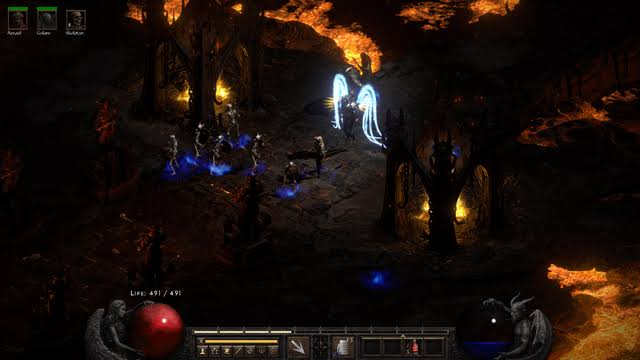
Diablo II: Resurrected remains unusually good at turning a familiar journey into a fresh competition. When a new Ladder begins, players return to forgotten builds, efficient farming routes, and the race for valuable D2R Ladder Items before the market settles and the strongest characters become widely equipped.


The appeal is not limited to reaching level 99. A new season creates a temporary economy, changes the value of runes and uniques, and gives experienced players a reason to reconsider strategies they abandoned years ago. Even small decisions during the opening weekend can shape an entire character's progress.
The First Hours Set the Tone
Early Ladder success depends more on planning than on raw speed. Players who identify a practical leveling build can move through Normal and Nightmare without wasting resources on expensive gear. Sorceresses remain popular because teleportation improves mobility, while Paladins and Amazons offer reliable damage once their core skills become available.
Finding useful equipment is also a matter of timing. A modest resistance charm or a well-rolled weapon may be more valuable during the first days than a rare item that becomes common later. Smart players usually save important runes, gems, and socketed bases instead of spending everything on temporary upgrades.
Building an Efficient Farming Routine
Once a character reaches the endgame, variety becomes more important than repeatedly chasing a single boss. Countess runs are attractive for early rune hunting, while the Pit, Ancient Tunnels, and Chaos Sanctuary provide opportunities for experience and high-level drops. The best route depends on damage type, survivability, and how quickly a character can clear without constant trips to town.
Resistances deserve special attention after the difficulty penalty takes effect. A powerful weapon cannot compensate for a character that dies to elemental attacks or physical bursts. Players who balance defensive charms, life bonuses, and faster cast or attack breakpoints often clear more efficiently than those focused only on maximum damage.
Why the Economy Changes So Quickly
The Ladder economy develops at remarkable speed. Items that seem priceless on the first day may lose much of their trading value after a week, especially when popular farming builds become fully equipped. Runes, elite bases, and class-specific skill items generally remain desirable because they support several different character plans.
This changing market encourages careful trading rather than impulsive purchases. A player who waits for prices to stabilize can often assemble a strong setup for far less than the early-season cost. At the same time, early sellers may use their advantage to fund several characters before competition becomes intense.
What Keeps Players Coming Back
Ladder seasons succeed because they create urgency without completely changing the original game. The rules are familiar, but the reset makes every drop meaningful again. Friends can start together, compare progress, and experiment with builds that would feel unnecessary on long-established non-Ladder characters.
The season also rewards different styles of play. Some players chase the leaderboard, others focus on trading, and many simply enjoy rebuilding a favorite class from nothing. That range of goals helps the community remain active well beyond the opening rush.
For anyone planning a return, the best approach is to choose a realistic build, learn a dependable farming route, and avoid spending valuable currency too early. Using cheap D2R Ladder Items can also help new characters reach a comfortable starting point while players concentrate on exploring the season and enjoying its competitive momentum.
What's Your Reaction?