Essential Features to Look for in a Nursery in Marina Dubai
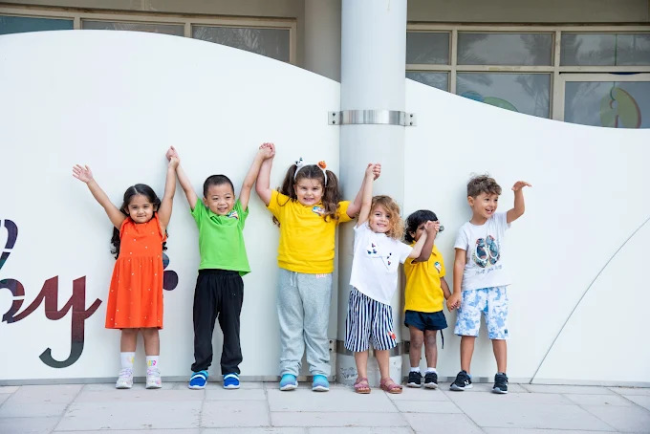
Choosing the right nursery is one of the most important decisions parents make during their child's early years. The experiences children have in their first educational environment play a significant role in shaping their confidence, curiosity, communication skills, and overall development. A high-quality nursery provides much more than supervision—it offers a safe, nurturing, and stimulating environment where children can learn through exploration, play, and meaningful interactions. For families searching for the ideal nursery in Marina Dubai, understanding what separates an excellent nursery from an average one can make the selection process much easier. While location and convenience are important, parents should also evaluate teaching quality, safety standards, learning approaches, facilities, communication, and the overall atmosphere. This guide explores the essential features parents should look for when choosing a nursery and explains why these factors contribute to a positive early learning experience.


Why Early Childhood Education Matters
The first five years of a child's life are a period of rapid brain development. During this stage, children begin developing the skills they will use throughout school and beyond.
A quality nursery supports:
-
Language development
-
Social interaction
-
Emotional well-being
-
Physical coordination
-
Creativity
-
Curiosity
-
Problem-solving abilities
Positive early learning experiences help children become confident learners who are prepared for future educational success.
A Safe and Secure Environment
Safety is always one of the first priorities for parents.
An excellent nursery should provide:
-
Secure entrances and exits
-
Child-friendly classrooms
-
Safe furniture
-
Well-maintained playgrounds
-
Emergency procedures
-
Constant supervision
Parents should also observe how staff members monitor children during classroom activities and outdoor play.
A secure environment allows children to explore confidently while giving parents peace of mind.
Qualified and Caring Teachers
Teachers have one of the greatest influences on children's early learning experiences.
Outstanding educators demonstrate:
-
Patience
-
Kindness
-
Professional knowledge
-
Positive communication
-
Creativity
-
Enthusiasm
Beyond academic qualifications, teachers should genuinely enjoy working with children and understand the developmental needs of different age groups.
Warm, supportive relationships help children feel comfortable and confident throughout the day.
Child-Centered Learning
Every child develops at a unique pace.
High-quality nurseries recognize these differences by providing individualized support that encourages each child to reach their full potential.
Child-centered learning focuses on:
-
Personal interests
-
Individual strengths
-
Age-appropriate activities
-
Positive encouragement
-
Active participation
Children are encouraged to explore, ask questions, and develop confidence through meaningful learning experiences.
Learning Through Play
Play is one of the most effective methods of early childhood education.
Well-designed play activities help children develop:
-
Communication skills
-
Creativity
-
Critical thinking
-
Teamwork
-
Motor coordination
-
Emotional regulation
Activities may include:
-
Building blocks
-
Storytelling
-
Art
-
Music
-
Dramatic play
-
Outdoor exploration
Play-based learning keeps children engaged while naturally supporting multiple areas of development.
Well-Organized Classrooms
The classroom environment directly influences children's learning experiences.
Parents should look for classrooms that are:
-
Bright
-
Clean
-
Organized
-
Comfortable
-
Age appropriate
-
Easy to navigate
Learning materials should be displayed in ways that encourage curiosity and independent exploration.
An organized classroom also helps children develop routines and responsibility.
Balanced Daily Routine
Young children benefit from structured schedules that provide consistency and security.
A balanced nursery day typically includes:
-
Welcome activities
-
Circle time
-
Learning sessions
-
Creative play
-
Outdoor activities
-
Meals and snacks
-
Storytime
-
Rest periods
Predictable routines help children develop independence while creating a comfortable learning environment.
A balance between structured learning and free play supports healthy development.
Outdoor Learning Spaces
Outdoor environments provide valuable opportunities for exploration and physical development.
Quality nurseries offer safe outdoor spaces where children can:
-
Run
-
Climb
-
Explore nature
-
Build coordination
-
Develop confidence
-
Participate in group games
Outdoor learning also supports children's physical health while encouraging creativity and social interaction.
Playgrounds should be clean, secure, and appropriate for different age groups.
Strong Communication with Parents
Successful early education depends on collaboration between educators and families.
An excellent nursery keeps parents informed through:
-
Daily updates
-
Progress reports
-
Parent meetings
-
Learning observations
-
Health notifications
-
School events
Open communication builds trust while allowing parents to remain actively involved in their child's development.
Regular feedback also helps families support learning at home.
Cleanliness and Hygiene
Young children spend considerable time exploring their environment, making hygiene extremely important.
Parents should observe:
-
Clean classrooms
-
Sanitized toys
-
Hygienic washrooms
-
Safe food preparation
-
Organized storage areas
High hygiene standards help reduce the spread of illness while creating a healthier learning environment.
Attention to cleanliness reflects the nursery's commitment to children's well-being.
Nutrition and Healthy Habits
If meals are provided, nutrition becomes another important consideration.
Parents should ask about:
-
Balanced meals
-
Healthy snacks
-
Allergy management
-
Food preparation practices
-
Drinking water availability
Nutritious food supports children's growth, concentration, and energy throughout the day.
Healthy eating habits established during early childhood often continue later in life.
Individual Attention
Every child has unique learning needs and developmental milestones.
Smaller teacher-to-child ratios often allow educators to provide:
-
Personalized encouragement
-
Individual guidance
-
Better observation
-
Stronger relationships
-
Faster identification of learning needs
Individual attention helps children build confidence while ensuring they receive appropriate support.
Parents should ask about classroom sizes and teacher ratios during nursery visits.
Comparing Different Nursery Options
Many families compare several early education centers before making a final decision.
Some parents may also visit a JLT nursery to compare learning environments, educational approaches, facilities, and teaching methods with nearby options.
Comparing multiple nurseries helps parents evaluate:
-
Classroom atmosphere
-
Teacher interactions
-
Safety standards
-
Outdoor facilities
-
Learning resources
-
Parent communication
Making detailed notes after each visit simplifies the decision-making process.
Questions to Ask During Your Visit
Preparing questions before a nursery tour helps parents gather valuable information.
Useful questions include:
-
What educational approach is followed?
-
What are the teacher-to-child ratios?
-
How is children's progress monitored?
-
How are parents updated?
-
What outdoor activities are available?
-
How are new children supported during transition?
-
What safety procedures are in place?
Clear and confident answers often indicate a well-organized nursery.
Signs of a High-Quality Nursery
Excellent nurseries often demonstrate several common characteristics.
These include:
-
Happy and engaged children
-
Caring educators
-
Safe facilities
-
Organized classrooms
-
Positive communication
-
Well-planned activities
-
Strong hygiene standards
-
Supportive learning environments
Children who feel secure and encouraged are more likely to develop confidence, curiosity, and a lifelong love of learning.
Observing children's natural behavior during your visit often provides valuable insight into the nursery's overall quality.
Final Thought
Selecting the right nursery in Marina Dubai is an important step in supporting your child's early development and future educational success. By focusing on safety, experienced teachers, engaging learning programs, effective communication, and nurturing environments, parents can choose a nursery that encourages confidence, creativity, and lifelong learning. Comparing different options, including a JLT nursery, can also help families identify the environment that best matches their child's needs. Taking the time to evaluate these essential features ensures your child begins their educational journey in a place where they can grow, explore, and thrive every day.
What's Your Reaction?