DIKSHA Platform: How Digital Technology Is Transforming Education in India
Technology has become an increasingly important part of modern education. Digital platforms can provide teachers and students with access to learning materials, training resources, interactive content, and educational tools regardless of geographical location.
Technology has become an increasingly important part of modern education. Digital platforms can provide teachers and students with access to learning materials, training resources, interactive content, and educational tools regardless of geographical location. In India, one of the important initiatives supporting this transformation is the DIKSHA platform.


DIKSHA, or Digital Infrastructure for Knowledge Sharing, is India's national digital platform for school education. Developed under the Ministry of Education with NCERT as a key institutional partner, the platform supports teachers, students, and other education stakeholders.
What Is the DIKSHA Platform?
The DIKSHA platform is a national digital education infrastructure designed to support school education across India.
It provides access to educational resources and teacher development content and can be used through digital devices. One of its important features is the integration of digital resources with physical textbooks through QR codes.
This allows students and teachers to access additional digital learning materials using a compatible device.
Supporting Teachers Through Digital Learning
Teachers are central to educational quality. Even the best digital resources are less effective if educators do not know how to use them appropriately.
A major role of DIKSHA for teachers is therefore professional development. The platform provides access to training courses, educational resources, and other materials that can support teachers in improving their knowledge and classroom practices.
Digital teacher training can also make professional development more accessible because educators can access resources without always having to travel to a physical training centre.
Learning Resources for Students
Students can benefit from digital educational resources that complement classroom teaching.
Digital learning in India can provide access to videos, interactive materials, exercises, and other resources that may help students understand concepts in different ways.
For children who have limited access to supplementary educational materials, digital resources can create additional opportunities for learning.
However, digital education works best when technology complements effective teaching rather than replacing teachers.
The Importance of Regional Languages
India has a highly diverse linguistic landscape. Digital education platforms therefore need to consider the importance of multilingual education.
Learning resources available in regional languages can make educational content more accessible to students who may find English-only resources difficult to understand.
Language accessibility is particularly important for children in rural and underserved communities.
Addressing the Digital Divide
While digital platforms can expand educational access, they can also expose existing inequalities. Not every student has a smartphone, computer, reliable internet connection, or uninterrupted electricity.
This challenge is known as the digital divide in education.
Children in well-resourced schools may have access to multiple devices and high-speed connectivity, while students in remote or economically disadvantaged communities may have very limited access.
Therefore, digital education initiatives need to be supported by offline resources, teacher assistance, community learning spaces, and other solutions.
Smile Foundation and Digital Education
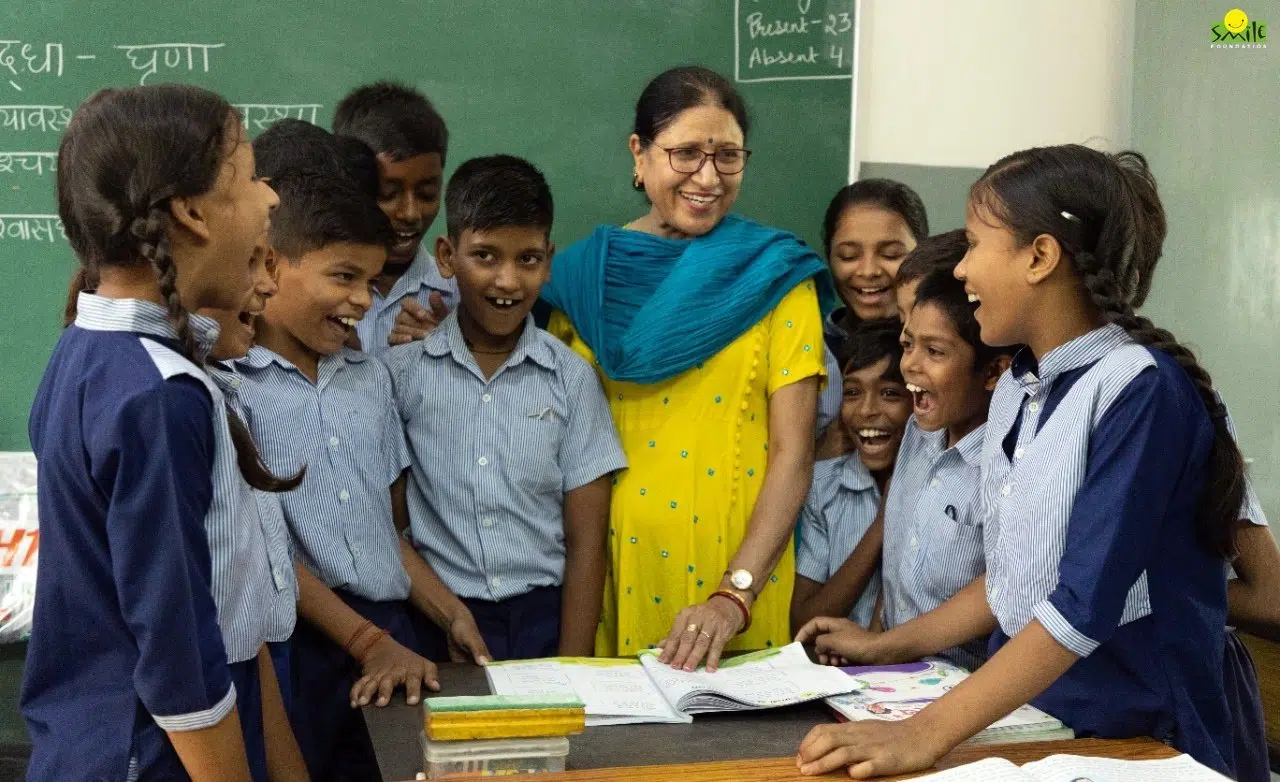
Smile Foundation India works with underserved communities through its Mission Education programme. The organisation's work includes teacher support, classroom-level literacy programmes, science clubs, and digital learning initiatives.
This kind of grassroots intervention can complement national platforms such as DIKSHA by helping schools and teachers use educational technology more effectively.
As highlighted by Smile Foundation, digital platforms depend significantly on teacher preparedness and access to appropriate infrastructure.
DIKSHA and Teacher Training
One of the strongest applications of DIKSHA is teacher professional development.
Teachers can access structured learning opportunities and educational resources that support continuous improvement.
Continuous professional development is important because teaching methods, technology, curriculum requirements, and student learning needs continue to change.
Digital platforms can make it easier for teachers to access updated resources throughout their careers.
Combining Technology With Classroom Learning
Technology should be viewed as a tool that strengthens education rather than as a complete replacement for classroom interaction.
A teacher can explain a concept, while digital resources can provide demonstrations, visual material, quizzes, or additional exercises.
This combination of technology-enabled learning and human teaching can create a more flexible educational environment.
Future of Digital Education in India
The role of digital education is likely to continue growing as schools, teachers, and students become more familiar with technology.
Platforms such as DIKSHA can contribute to a national digital ecosystem in which educational resources and professional development opportunities become more accessible.
At the same time, policymakers and educators need to address connectivity, device availability, teacher training, language diversity, accessibility, and digital literacy.
Conclusion
The DIKSHA platform represents an important step in India's transition toward technology-enabled school education. By supporting teachers, providing learning resources, and connecting digital content with classroom education, the platform can contribute to a more connected educational system.
However, technology alone cannot eliminate educational inequality. Digital inclusion, teacher capacity building, appropriate infrastructure, and community-level support remain essential.
Through Mission Education, Smile Foundation works at the grassroots level to support teachers and children in underserved communities. Its efforts demonstrate how national digital education systems and community-based programmes can complement one another to create more meaningful learning opportunities for children across India.
What's Your Reaction?