Chronic Fatigue Treatment: A Guide to Finding the Right Approach
Chronic fatigue can have many possible causes. Learn about evaluation, testing, lifestyle strategies, and personalized approaches to finding the right chronic fatigue treatment.
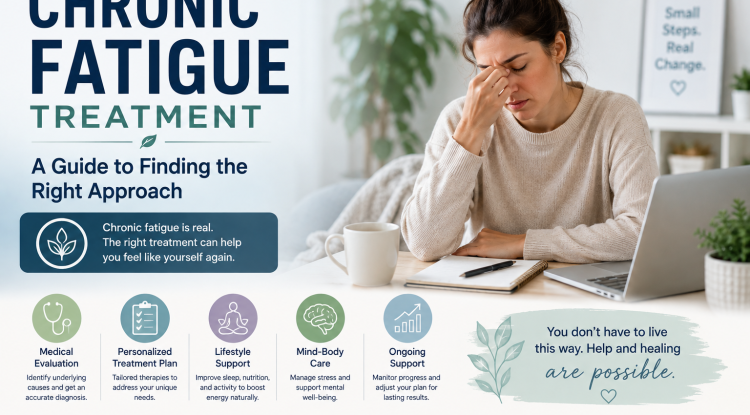
Feeling tired after a long day is normal, but persistent or overwhelming fatigue that does not improve with adequate rest can affect nearly every part of daily life. Ongoing fatigue may make it harder to work, exercise, concentrate, maintain relationships, or enjoy activities you normally like. Finding the right chronic fatigue treatment begins with understanding that persistent fatigue can have many possible causes and should not automatically be attributed to stress or a lack of sleep.


Fatigue is a symptom rather than a diagnosis. It can be associated with sleep problems, nutritional deficiencies, thyroid conditions, anemia, metabolic concerns, medications, mental health conditions, infections, and other health issues. A healthcare professional can help determine whether further evaluation or testing is appropriate.
What Is Chronic Fatigue?
Chronic fatigue generally refers to persistent or recurring exhaustion that lasts for an extended period and interferes with everyday activities. It may feel different from ordinary tiredness after physical activity or a busy day.
Some people describe fatigue as:
- Persistent lack of energy
- Difficulty concentrating
- Feeling physically or mentally drained
- Reduced motivation
- Needing more rest than usual
- Difficulty completing normal activities
- Feeling unrefreshed after sleep
The experience can vary considerably from person to person.
It is also important to distinguish general persistent fatigue from specific medical conditions that include fatigue as a defining symptom. For example, myalgic encephalomyelitis/chronic fatigue syndrome (ME/CFS) is a complex condition with specific diagnostic criteria and should not be diagnosed based on tiredness alone.
What Can Cause Persistent Fatigue?
There is no single cause of ongoing fatigue. Several physical, lifestyle, and psychological factors can contribute to low energy.
Sleep Problems
Poor-quality sleep can leave you feeling tired even if you spend enough hours in bed. Insomnia, sleep apnea, irregular sleep schedules, and other sleep disorders can interfere with restorative sleep.
If you regularly wake feeling unrefreshed, snore heavily, experience nighttime breathing problems, or struggle with excessive daytime sleepiness, discuss these symptoms with a healthcare professional.
Iron Deficiency and Anemia
Iron deficiency and certain forms of anemia can contribute to fatigue and weakness. Other symptoms may include shortness of breath, dizziness, headaches, or difficulty concentrating.
A healthcare professional can determine whether blood testing is appropriate to evaluate iron status and blood counts.
Thyroid Conditions
The thyroid helps regulate metabolism and many other bodily functions. An underactive thyroid, known as hypothyroidism, can be associated with fatigue, changes in weight, sensitivity to cold, dry skin, and other symptoms.
Because these symptoms can have many causes, appropriate medical evaluation is important rather than assuming that the thyroid is responsible.
Nutritional Factors
Inadequate intake or absorption of certain nutrients can sometimes contribute to fatigue. Depending on an individual's circumstances, healthcare professionals may consider nutrients such as vitamin B12, folate, vitamin D, and iron.
Testing should be based on clinical considerations rather than assuming that every person with fatigue has a nutritional deficiency.
Blood Sugar and Metabolic Health
Changes in blood glucose regulation can sometimes affect energy levels. Conditions such as diabetes or other metabolic concerns may be associated with fatigue, particularly when blood sugar is not well controlled.
A healthcare professional can determine whether glucose testing or other metabolic assessments are appropriate.
Stress and Emotional Health
Ongoing stress can affect sleep, concentration, appetite, physical activity, and perceived energy. Anxiety and depression can also contribute to persistent tiredness and reduced motivation.
Addressing emotional and psychological well-being can therefore be an important part of a comprehensive approach to fatigue.
Medications and Other Health Conditions
Some prescription and over-the-counter medications can cause drowsiness or fatigue as a side effect. Other medical conditions, including infections and chronic illnesses, may also contribute to persistent tiredness.
This is why reviewing your complete medical history and current medications with a healthcare professional can be valuable.
When Should You Seek Medical Advice?
Occasional tiredness is usually not a cause for concern. However, persistent or unexplained fatigue that interferes with daily activities deserves attention.
Consider speaking with a healthcare professional if fatigue:
- Persists despite adequate rest
- Is interfering with work or everyday activities
- Is getting progressively worse
- Occurs alongside unexplained weight changes
- Is accompanied by significant changes in sleep
- Occurs with dizziness or shortness of breath
- Is associated with changes in appetite
- Appears alongside other unexplained symptoms
Seek urgent medical care if fatigue occurs with severe symptoms such as chest pain, significant difficulty breathing, fainting, severe confusion, or other symptoms that could indicate an emergency.
How Is Persistent Fatigue Evaluated?
There is no single test that can identify the cause of every case of fatigue. Evaluation usually begins with a detailed conversation about your symptoms and health history.
A healthcare professional may ask about:
- When the fatigue started
- How often it occurs
- Sleep quality
- Diet and nutrition
- Physical activity
- Stress levels
- Current medications
- Existing medical conditions
- Recent illnesses
- Changes in weight
- Other symptoms
Depending on your circumstances, laboratory testing may also be recommended.
The Role of Laboratory Testing
Blood tests can sometimes provide useful information when investigating unexplained fatigue. The appropriate tests depend on your symptoms, medical history, physical examination, and clinical judgment.
Depending on the situation, a healthcare professional may consider testing related to:
- Complete blood count
- Iron status
- Thyroid function
- Blood glucose
- Vitamin B12 and folate
- Vitamin D
- Liver and kidney function
- Other relevant biomarkers
Testing should be personalized rather than performed simply because fatigue is present. Results also need to be interpreted in the context of your overall health.
Chronic Fatigue Treatment Should Address the Underlying Cause
Because fatigue can have many causes, treatment depends on what is contributing to the problem.
For example, someone with an identified nutritional deficiency may require a different approach from someone whose fatigue is related to a sleep disorder or thyroid condition.
This is why chronic fatigue treatment should ideally begin with appropriate evaluation rather than immediately relying on stimulants, supplements, or generalized wellness products.
Once a potential cause has been identified, your healthcare professional can discuss appropriate treatment or management options.
Lifestyle Strategies That May Support Better Energy
Lifestyle changes can complement medical care and may support overall energy and well-being.
Establish a Consistent Sleep Routine
Going to bed and waking up at consistent times can help support healthy sleep habits. Keeping your bedroom comfortable, limiting excessive screen exposure before bedtime, and creating a relaxing nighttime routine may also help.
If you consistently have difficulty sleeping or feel excessively tired despite adequate sleep, discuss this with a healthcare professional.
Eat a Balanced Diet
Regular, balanced meals can help provide the energy and nutrients your body needs.
A nutritious eating pattern may include vegetables, fruits, whole grains, protein-rich foods, and healthy sources of dietary fat. Avoiding highly restrictive diets can also help ensure adequate nutritional intake.
Stay Physically Active at an Appropriate Level
Physical activity supports cardiovascular health, muscle function, mood, and overall well-being. However, the appropriate amount of activity depends on your health and the cause of your fatigue.
If physical activity significantly worsens your symptoms, discuss your experience with a healthcare professional before increasing exercise.
Manage Stress
Stress-management techniques such as relaxation exercises, mindfulness, time outdoors, social connection, and other healthy coping strategies may support overall well-being.
If stress, anxiety, or depression is significantly affecting your daily life, professional mental-health support may also be appropriate.
Personalized Care Can Be Important
Fatigue can look different from one person to another. Two people may experience similar levels of tiredness but have completely different underlying factors.
A personalized approach considers the individual's symptoms, health history, medications, lifestyle, and relevant laboratory results. This can help healthcare professionals avoid assuming that one treatment will work for everyone.
Instead of simply asking, "How can I get more energy?" it may be more useful to ask, "What could be contributing to my persistent fatigue?"
Thryve Clinic's Approach to Personalized Wellness
Thryve Clinic provides physician-guided wellness services designed to help patients better understand their individual health. Through telemedicine consultations, advanced biomarker testing, at-home laboratory testing, mobile phlebotomy, and personalized wellness plans, Thryve Clinic offers a convenient way to discuss health concerns and evaluate relevant biomarkers when appropriate. This personalized approach can help patients and healthcare professionals use health information to develop individualized wellness strategies rather than relying on a one-size-fits-all approach. Learn more about the available services at Thryve Clinic.
At-Home Testing and Telehealth
For some patients, telehealth and at-home laboratory services can make healthcare more convenient.
A virtual consultation can provide an opportunity to discuss symptoms, medical history, lifestyle factors, and health concerns with a qualified healthcare professional. When laboratory testing is appropriate, at-home or mobile phlebotomy services may reduce the need for additional travel.
However, telehealth is not suitable for every medical situation. Some symptoms require an in-person examination or urgent evaluation. A healthcare professional can determine whether virtual care is appropriate based on your individual circumstances.
Be Careful With Supplements and Quick Fixes
Persistent fatigue can make quick solutions appealing. Products marketed as "energy boosters," hormone-balancing supplements, or fatigue cures may seem attractive, but they are not necessarily appropriate or effective for everyone.
Taking high doses of vitamins or supplements without identifying a deficiency can also carry risks.
If you are considering supplements for ongoing fatigue, discuss them with a qualified healthcare professional, particularly if you take prescription medications or have an existing health condition.
What Questions Should You Ask Your Healthcare Provider?
If you seek professional help for persistent fatigue, consider asking:
- What could be contributing to my fatigue?
- Should I have any laboratory tests?
- Could my medications be affecting my energy?
- Should we evaluate my thyroid or metabolic health?
- Could my sleep quality be contributing to my symptoms?
- Are there nutritional factors worth investigating?
- What lifestyle changes may be appropriate for me?
- When should I schedule a follow-up?
- What symptoms would require more urgent evaluation?
Having a clear conversation can help ensure that important factors are not overlooked.
Final Thoughts
Persistent fatigue can affect physical health, productivity, relationships, and quality of life. Because fatigue can have many possible causes, finding the right approach begins with understanding what may be contributing to your symptoms.
The most appropriate chronic fatigue treatment depends on the underlying cause. Medical evaluation, appropriate laboratory testing, healthy lifestyle habits, and personalized care may all have a role depending on the individual.
If you have persistent or unexplained fatigue, consider speaking with a qualified healthcare professional rather than trying to manage the symptoms alone. Identifying potential underlying factors can be an important first step toward developing a safe and personalized plan for better health and well-being.
What's Your Reaction?