Aluminum MIG Wire Manufacturers: Tips for Storage, Feeding, and Equipment Setup
Gain practical advice from Aluminum MIG Wire Manufacturers on proper wire storage to avoid porosity, correct liner and drive roll matching, and equipment adjustments for smooth feeding and reduced spatter during aluminum MIG welding operations.
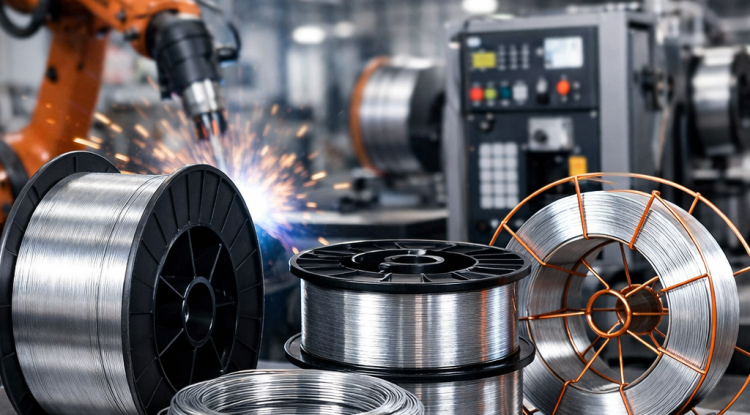
Aluminum TIG Wire Suppliers provide essential materials that support welders handling aluminum projects with TIG processes. Many operators encounter issues that affect joint quality and overall outcomes during TIG welding aluminum. Awareness of typical errors allows for adjustments that lead to more consistent performance across various applications, from thin sheets to thicker components.


One frequent issue involves surface preparation before starting the arc. Aluminum forms a thin oxide layer quickly when exposed to air, and this layer melts at a much higher temperature than the base metal. If the surface remains uncleaned with a dedicated stainless steel brush or solvent wipe, the arc may fail to penetrate evenly. This results in incomplete fusion or inclusions that weaken the weld bead over time. Welders who skip this step often notice porosity appearing after the joint cools.
Another common error relates to filler material selection and handling. The alloy of the wire must align closely with the base aluminum grade to avoid cracking during solidification. For instance, using a wire with mismatched silicon or magnesium content can create brittleness in the heat-affected zone. Additionally, storing wire in open areas allows moisture or oils to contaminate the surface, introducing hydrogen into the puddle and causing defects. Proper storage in sealed containers helps maintain material integrity throughout the project.
Shielding gas management also presents challenges for many users. Pure argon works in standard setups, yet flow rates set too low or too high disrupt coverage around the tungsten electrode and puddle. Inadequate protection lets atmospheric oxygen enter, forming oxide inclusions visible as dark spots in the finished weld. Operators sometimes overlook torch angle adjustments that maintain consistent gas delivery, especially during out-of-position work where gravity pulls the pool downward.
Machine settings require careful attention as well. TIG welding aluminum relies on alternating current to break the oxide layer through the electrode positive phase. If the balance between cleaning and penetration stays unbalanced, the arc becomes unstable, leading to tungsten contamination or uneven bead profiles. Amperage levels that exceed the material thickness cause burn-through on thin sections, while underpowered settings produce cold laps where the filler fails to tie in properly. Travel speed plays a supporting role here; moving too slowly builds excessive heat that distorts the workpiece, and rushing ahead leaves gaps in fusion.
Torch technique influences results directly. Maintaining a consistent distance between the electrode and workpiece prevents the arc from wandering. Many welders hold the torch at angles greater than fifteen degrees from vertical, which reduces shielding effectiveness and increases the chance of air contamination. Adding filler wire at the correct moment avoids dipping that touches the tungsten, which contaminates the electrode and requires frequent sharpening.
Preheating considerations matter for sections thicker than one quarter inch. Without gradual warming to around two hundred degrees Fahrenheit, rapid cooling after the weld creates residual stresses that promote cracks. Post-weld cleaning removes flux residues or discoloration that could lead to corrosion in service environments.
Addressing these areas starts with reliable material choices. Aluminum TIG Wire Suppliers supply options matched to common alloys such as 4043 and 5356, ensuring compatibility that reduces risks tied to filler performance. Consistent diameter control and clean packaging from suppliers contribute to smoother feeding and fewer interruptions during longer runs.
Welders who review their procedures and select appropriate supplies report fewer rework hours and stronger joints in daily operations. Continued practice combined with attention to detail builds proficiency across different aluminum grades and joint designs. For additional guidance on materials suited to TIG welding aluminum, visit https://www.kunliwelding.com/
What's Your Reaction?











 " alt="Top 8 Gang Sheet Printing Providers for Bulk Orders" class="lazyload img-external" onerror='https://likelylike.com/assets/img/bg_slider.png' width="650" height="433">













