Acne Treatment in Manchester: Personalized Care for Clearer, Healthier-Looking Skin
Acne Treatment in Manchester is most effective as a personalized skincare journey rather than a single solution.
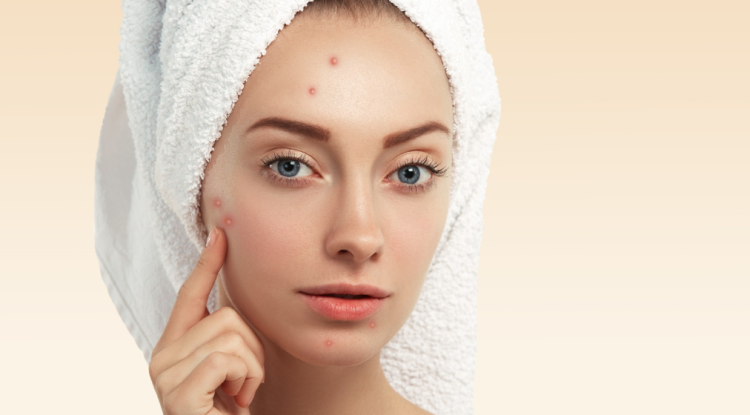
Acne is one of the most common skin concerns, affecting teenagers and adults alike. It can appear as occasional spots, persistent breakouts, blackheads, whiteheads, or deeper blemishes that may continue for months or years. Because every person's skin is different, an effective approach should focus on the individual's skin type, acne pattern, lifestyle, and treatment goals rather than relying on a one-size-fits-all routine.


Acne Treatment In Manchester can involve a personalized combination of professional skin treatments, carefully selected skincare products, and practical changes that support healthier-looking skin. With the right approach, it is possible to manage active breakouts, improve the appearance of uneven skin, and work toward a clearer complexion.
Understanding Acne and Its Common Causes
Acne develops when hair follicles become blocked with oil, dead skin cells, and other debris. Changes in oil production and the activity of naturally occurring skin bacteria can contribute to the formation of blemishes. Hormonal fluctuations can also influence acne, which is why breakouts may become more noticeable during adolescence, certain stages of adulthood, or periods of hormonal change.
Different Types of Acne
Acne can appear in several forms, and identifying the type of blemishes present can help guide an appropriate skincare approach.
Blackheads: These are open pores containing a mixture of oil and dead skin cells. Their dark appearance is caused by oxidation rather than dirt.
Whiteheads: These occur when a pore becomes blocked and remains closed at the surface, creating a small raised bump.
Papules: These are small, raised areas of inflamed skin that can appear red or tender.
Pustules: These blemishes contain visible fluid or pus and commonly appear as red spots with a lighter centre.
Nodules and cyst-like blemishes: Deeper, more noticeable breakouts can develop beneath the skin and may require professional assessment and a more targeted treatment plan.
Understanding the type and pattern of acne is an important part of creating personalized care.
Why Personalized Acne Care Matters
No two people experience acne in exactly the same way. Some individuals may have predominantly oily skin and frequent breakouts, while others may experience occasional blemishes alongside dryness, sensitivity, or uneven texture.
A personalized approach considers factors such as:
- Skin type and condition
- Location and frequency of breakouts
- Type of acne present
- Existing skincare routine
- Previous treatments
- Skin sensitivity
- Appearance of post-acne marks
- Overall skin texture
- Individual aesthetic goals
This approach helps ensure that skincare and professional treatments are selected according to the individual's needs.
Professional Acne Treatment in Manchester
Professional acne care can provide a more structured approach than trying multiple skincare products independently. A consultation allows the skin to be assessed and helps determine which treatments and products may be suitable.
Skin Assessment and Consultation
The process can begin with a detailed consultation. During this stage, the skin can be evaluated for active acne, congestion, oiliness, dryness, pigmentation, and uneven texture.
The consultation also provides an opportunity to discuss the person's current skincare routine and previous experiences with acne treatments. This information can help create a more focused treatment plan.
Deep Cleansing Treatments
Professional cleansing treatments can help remove surface impurities, excess oil, and dead skin cells. Depending on the individual's skin condition, cleansing-focused treatments may form part of a wider acne management programme.
Keeping the skin clean without excessively stripping it is important. Over-cleansing can leave the skin feeling uncomfortable and may make a skincare routine more difficult to maintain.
Chemical Peels for Acne-Prone Skin
Certain professional chemical peels are designed to improve the appearance of congested and blemish-prone skin. Depending on the formulation selected, a peel may help exfoliate accumulated dead skin cells and improve the appearance of uneven texture.
Professional assessment is important when choosing a peel because different formulations are intended for different skin concerns and levels of sensitivity.
Microneedling for Skin Texture
Microneedling is a professional skin treatment that uses fine needles to create controlled micro-injuries in the skin. It is commonly used to support improvements in skin texture and the appearance of certain post-acne concerns.
For people whose primary concern has shifted from active breakouts to uneven-looking texture or the appearance of acne-related marks, microneedling may be considered as part of a personalized skin programme.
LED Light-Based Skin Treatments
Certain LED treatments may be incorporated into professional skincare programmes for people with blemish-prone skin. Different wavelengths of light are used for different cosmetic skin goals.
LED treatments can be particularly appealing to individuals looking for a non-invasive addition to their regular skincare programme.
Managing Acne-Prone Skin at Home
Professional treatments can be supported by a consistent home skincare routine. The objective should be to maintain clean, balanced, comfortable-looking skin without creating an unnecessarily complicated routine.
Gentle Cleansing
A gentle cleanser can help remove excess oil, sweat, makeup, and surface impurities. Cleansing in the morning and evening may be suitable for many people, although individual needs can vary.
Harsh scrubbing should generally be avoided because aggressive physical exfoliation can make the skin feel irritated and uncomfortable.
Choosing Suitable Skincare Products
Acne-prone skin often benefits from carefully selected, lightweight skincare. Products labelled non-comedogenic may be useful for people concerned about pore congestion.
A basic routine may include:
- A gentle cleanser
- A suitable acne-focused treatment product
- A lightweight moisturiser
- Daily sunscreen
Keeping the routine manageable can make it easier to maintain consistently.
Moisturising Acne-Prone Skin
Moisturiser is an important part of skincare, including for people with oily or blemish-prone skin. A lightweight formulation can help maintain skin comfort without creating a heavy feeling.
Skipping moisturiser simply because the skin is oily can make a routine harder to tolerate, particularly when using active skincare ingredients.
Daily Sun Protection
Sun protection is an important part of maintaining healthy-looking skin. Regular use of sunscreen can also help reduce the appearance of uneven pigmentation becoming more noticeable following blemishes.
A lightweight, non-comedogenic sunscreen can be incorporated into a morning skincare routine.
Acne and Post-Blemish Marks
For many people, the concern does not end when an active spot disappears. Red or brown-looking marks can remain visible for some time, creating an uneven appearance.
Improving the Appearance of Uneven Skin Tone
A personalized skincare programme may include ingredients and professional treatments selected to improve the appearance of uneven pigmentation and promote a more balanced-looking complexion.
The most appropriate approach depends on skin tone, sensitivity, the type of marks present, and whether active acne is still occurring.
Improving Uneven Skin Texture
Acne-prone skin can sometimes appear rough or uneven in texture. Professional treatments such as carefully selected chemical peels or microneedling may be considered when texture is a primary concern.
Treatment plans can also be adjusted over time as the condition and appearance of the skin change.
Creating a Long-Term Acne Skincare Routine
Successful skincare is not only about a single treatment. Consistency is an important part of maintaining clearer-looking skin.
Keep the Routine Simple
Using too many active products at once can make it difficult to understand what is working. A simpler routine allows products to be introduced gradually and makes it easier to identify which products suit the skin.
Avoid Picking and Squeezing Blemishes
Touching, picking, or squeezing spots can interfere with the natural healing process and may make the skin appear more inflamed. Keeping hands away from active blemishes is therefore a useful skincare habit.
Clean Items That Regularly Touch the Face
Pillowcases, mobile phones, makeup brushes, and other objects that frequently come into contact with the face can collect oil and surface debris. Cleaning these items regularly can support good skincare hygiene.
Review Your Routine When Your Skin Changes
Skin can change over time due to age, weather, lifestyle, hormones, and skincare products. A routine that once worked well may eventually need adjustment.
Regular professional consultations can help keep skincare aligned with changing needs.
Lifestyle Factors and Acne-Prone Skin
Skincare is only one part of maintaining a healthy-looking complexion. Lifestyle habits can also influence overall skin appearance.
Balanced Nutrition
A balanced diet provides nutrients needed for normal skin function. Eating a varied selection of fruits, vegetables, whole grains, proteins, and healthy fats can support general wellbeing and skin health.
Adequate Hydration
Drinking enough fluids throughout the day supports overall hydration. While hydration alone does not eliminate acne, maintaining healthy fluid intake is a useful part of general wellness.
Managing Everyday Stress
Stress can affect many aspects of wellbeing and may coincide with changes in skin condition for some people. Establishing healthy routines, maintaining regular sleep, and making time for relaxation can support overall wellbeing.
What to Expect From Personalized Acne Care
A personalized approach generally begins with understanding the individual's concerns rather than immediately selecting a treatment.
Step 1: Consultation
The skin and its current concerns are assessed, and the individual's skincare goals are discussed.
Step 2: Treatment Planning
Based on the assessment, suitable professional treatments and homecare recommendations can be selected.
Step 3: Professional Treatment
The chosen treatment is performed according to the individual's skin needs and the objectives established during the consultation.
Step 4: Home Skincare
A practical home routine can complement professional treatments and help maintain the appearance of the skin between appointments.
Step 5: Progress Review
Skin can change gradually, so follow-up assessments can help determine whether the treatment plan needs to be adjusted.
Why Choose SLA Medical Clinic for Acne Care?
For individuals looking for Acne Treatment in Manchester, SLA Medical Clinic provides a professional setting where acne-prone skin and related cosmetic concerns can be assessed as part of a personalized skincare approach.
A tailored programme can focus not only on the appearance of active blemishes but also on concerns such as congestion, uneven-looking texture, and post-acne marks. Rather than treating every person's skin in exactly the same way, SLA Medical Clinic can help create an approach based on individual skin needs and treatment goals.
The right skincare plan can also evolve over time. As the appearance and condition of the skin change, professional guidance can help determine whether the existing routine should be maintained or adjusted.
Benefits of a Personalized Approach
Personalized acne care can provide several practical advantages:
- Treatment can be selected according to individual skin concerns.
- Skincare can be adapted to different skin types.
- Professional treatments can complement a home routine.
- Post-acne concerns can be considered alongside active blemishes.
- Treatment plans can be reviewed as the skin changes.
- A structured routine can make skincare easier to follow consistently.
The overall goal is to create a realistic and manageable approach to clearer, healthier-looking skin.
Maintaining Clearer-Looking Skin After Treatment
Once the appearance of acne has improved, maintaining a consistent routine remains important. Gentle cleansing, suitable moisturising, daily sun protection, and appropriate acne-focused skincare can all contribute to ongoing skin maintenance.
It is also useful to avoid constantly changing products. Introducing several new products at the same time can make it difficult to determine how the skin responds to each one.
Professional reviews can provide an opportunity to reassess the skin and make appropriate changes when necessary.
Frequently Asked Questions About Acne Treatment in Manchester
What is Acne Treatment in Manchester?
Acne Treatment in Manchester refers to professional and skincare-based approaches designed to improve the appearance of acne-prone skin. Depending on individual needs, treatment may include professional skin treatments, tailored homecare, and ongoing skin assessments.
Is acne treatment suitable for adults?
Yes. Acne can affect adults as well as teenagers. Adult acne may have different patterns and skincare requirements, which is why an individual assessment can be useful.
How long does acne treatment take to show results?
The timeframe can vary depending on the type and severity of acne, the treatments selected, and how consistently the recommended skincare routine is followed. A personalized programme can be adjusted according to how the skin responds over time.
Can acne treatment help with post-acne marks?
Some professional treatments and skincare products can be selected specifically to improve the appearance of uneven pigmentation and texture following acne. The appropriate approach depends on the type of marks and the individual's skin characteristics.
Can I use skincare products alongside professional acne treatments?
A suitable homecare routine can complement professional treatment. However, product selection should be based on individual skin needs, particularly when using active ingredients.
Should I change my skincare routine frequently?
Generally, a consistent routine is easier to manage than constantly changing products. Professional guidance can help determine when a product or treatment should be adjusted.
Conclusion
Acne can be a persistent and frustrating skin concern, but a personalized approach can make skincare more structured and manageable. From professional cleansing and chemical peels to microneedling, LED treatments, and carefully selected homecare, there are different approaches that can be considered according to individual needs.
Acne Treatment in Manchester is most effective as a personalized skincare journey rather than a single solution. Understanding the condition of the skin, selecting appropriate treatments, maintaining a consistent routine, and reviewing progress can all contribute to clearer, healthier-looking skin.
For personalized professional skincare support in Manchester, SLA Medical Clinic can provide an approach focused on individual skin concerns and aesthetic goals.
What's Your Reaction?