A First-Time Buyer's Guide to Engagement Rings in NYC
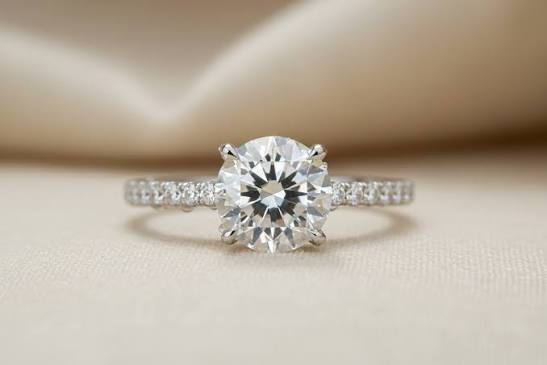
Buying an engagement ring is one of the few significant purchases most people make with no prior experience of it. The vocabulary is unfamiliar and the decisions appear to arrive all at once. In practice there are four: the budget, the shape of the stone, the setting, and the diamond itself. A search for the best diamond store NYC returns a long list, and that list becomes easier to work through once you know which questions to ask first.


Start With a Budget
A figure decided early makes every later choice simpler, because each element of a ring can be adjusted to fit it. Carat weight, shape, metal, and setting style all affect the final price, so there is usually more than one way to reach the same number. A jeweler who knows your range from the start can show you the combinations that work within it, and explain what changes when you move one of them.
Choosing a Shape
Shape is the first thing anyone notices, and most people have an instinct about it before they begin looking. The outlines you are likeliest to see are:
- Round. A circular outline with a symmetrical facet pattern.
- Oval. An elongated outline with softly rounded ends.
- Emerald. A rectangular outline with cut corners and long, straight facets.
- Pear. Rounded at one end and pointed at the other.
- Cushion. A square or rectangular outline with rounded corners.
- Marquise. Elongated, coming to a point at both ends.
- Radiant. A rectangular or square outline with trimmed corners.
- Princess. A square outline with sharp corners.
- Asscher. A square outline with cut corners and stepped facets.
- Heart. A rounded outline with a cleft at the top and a point at the base.
One point is worth understanding early. Carat measures weight rather than size, so two stones of the same carat weight can cover different amounts of the finger. Ask for the measurements in millimeters alongside the carat figure.
Understanding Settings
The setting is the metal structure that holds the stone, and each term describes what that structure does.
· A solitaire holds a single center stone on its own.
· A halo surrounds the center stone with a ring of smaller diamonds, while a hidden halo places that ring beneath it instead.
· A three-stone setting, sometimes called a trilogy, sets a center diamond between two side stones.
· Pave refers to small diamonds set closely together along the band.
· Channel setting holds a row of stones between two strips of metal, a bezel encloses the outer edge of the stone, and prongs hold it with slender metal claws.
Lab-Grown and Natural Diamonds
Both are widely available and both are graded on the same scales by the same laboratories. A natural diamond forms beneath the earth's surface over a very long period. A lab-grown diamond is produced in a controlled facility from a diamond seed, under conditions that replicate the heat and pressure of natural formation, over a period of weeks. The two are chemically and structurally identical.
The Paperwork, and Why It Is Not All the Same
Three separate documents are involved here, and they are not interchangeable.
The independent grading report matters most for the center stone. Issued by a laboratory such as the Gemological Institute of America or the International Gemological Institute, it records cut, color, clarity, and carat weight, along with measurements and identifying details. It describes the stone but does not assign it a price, and the report number can be checked on the laboratory's own website.
A certificate of authenticity is a different document. Some jewelers provide one to record metal purity, the number and total weight of the stones, and the specifications of the finished piece. Because the seller issues it, though, it is not an independent assessment.
An appraisal is a third document, prepared by a qualified appraiser to state a replacement value for insurance. It reflects market conditions rather than grading standards, and does not replace the laboratory report.
Questions Worth Asking
Rather than searching for the best engagement ring store NYC and stopping at the first result, put the same practical questions to everyone you visit and compare the answers. Where is the ring made, and by whom? What does the return period allow, and when does it begin? What does the warranty cover, and what is excluded? Can this design be resized later? A full eternity band, for instance, carries stones around its entire circumference and has no plain metal to cut, so it cannot be.
Taking Your Time
There is no advantage in rushing any of this. Ask to see a stone loose and then set, look at it in daylight as well as under showroom lighting, and allow yourself room to change your mind partway through. Most people do. The decisions become much easier once the vocabulary stops being unfamiliar, and a jeweler willing to explain the trade-offs, including the ones that save you money, is the one worth returning to.
What's Your Reaction?