Why Contractors Choose Height & Slew Excavators for Urban Construction
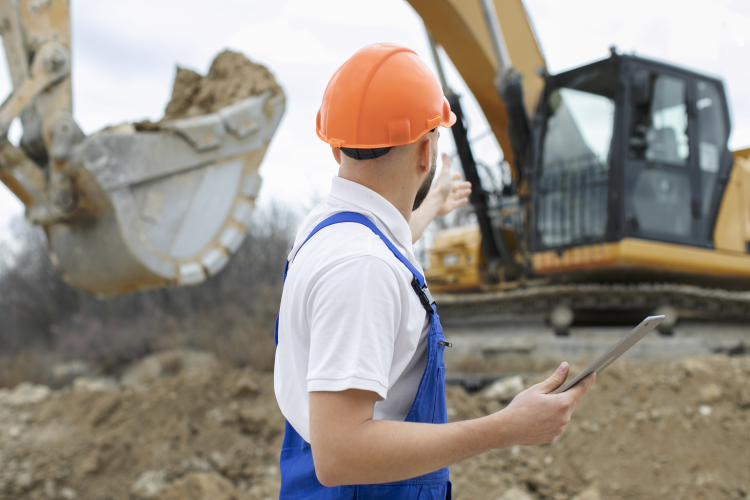
Urban construction creates challenges that many standard machines struggle to handle. Contractors often work beside busy roads, existing buildings, underground utilities, and active pedestrian areas. In these environments, machine movement becomes just as important as digging power. That is why many project managers now choose a height & slew excavator when working on restricted sites where space, safety, and efficiency all matter at the same time.


Why Are Standard Excavators Often Difficult to Use in Urban Areas?
A standard excavator works well on large open sites. Urban construction projects rarely provide that luxury.
Contractors regularly face narrow access points, overhead restrictions, parked vehicles, utility infrastructure, and neighboring buildings. Every additional machine movement increases risk and slows production.
A larger machine may require:
-
Additional traffic management measures
-
More operating space around the machine
-
Extra safety controls near pedestrians
-
Frequent repositioning during excavation
Those limitations quickly affect productivity and project costs.
What Makes a Height & Slew Excavator Different?
The answer comes down to machine design.
A height and slew excavator combines reduced operating height with controlled swing movement. This design allows operators to work effectively where conventional excavators face limitations.
Key advantages include:
-
Lower overall operating height
-
Improved maneuverability in restricted areas
-
Better control near surrounding structures
-
Reduced risk of striking overhead obstacles
-
Increased flexibility on complex urban projects
Many contractors use these machines for rail infrastructure works, utility installations, road upgrades, and city redevelopment projects where space remains limited throughout construction.
How Does It Improve Safety on Busy Construction Sites?
Safety remains one of the biggest reasons contractors choose these machines.
Urban sites contain far more hazards than greenfield developments. Workers often operate close to public roads, active businesses, and underground services.
A height and slew excavator helps reduce exposure to common risks because operators can work more accurately within confined zones.
Some of the biggest safety benefits include:
-
Reduced machine overhang during rotation
-
Better visibility in restricted environments
-
Lower chance of contact with nearby structures
-
Improved stability during controlled excavation
-
Safer operation around utility corridors
Contractors understand that even minor incidents can create costly project delays. Equipment that reduces risk often delivers significant value over the life of a project.
Why Do Urban Infrastructure Projects Depend on These Machines?
Infrastructure work rarely happens in open spaces.
Road widening projects, drainage upgrades, telecommunications installations, and utility repairs often occur within heavily developed areas. Contractors need machines that can perform without disrupting surrounding activities.
For example, a contractor excavating beside a city roadway cannot afford unnecessary machine movement. Every additional swing radius increases potential conflict with traffic management zones and nearby workers.
That is why height and slew excavators continue gaining popularity on:
-
Road construction projects
-
Rail corridor upgrades
-
Utility trenching operations
-
Urban redevelopment sites
-
Municipal infrastructure works
The ability to work efficiently within confined conditions directly impacts project schedules.
Can These Excavators Improve Productivity?
Many contractors initially focus on machine size and digging power. Productivity often depends on something different.
Machine access and movement frequently determine how much work gets completed each day.
A machine that spends less time repositioning can complete tasks faster. Operators can maintain workflow without constantly adjusting their setup.
Benefits often include:
-
Faster excavation cycles
-
Reduced site congestion
-
Less downtime from repositioning
-
Improved access to difficult work zones
-
Better coordination with other equipment
On urban construction projects, those improvements can translate into measurable labor and equipment savings.
Are Height & Slew Excavators Worth the Additional Cost?
This depends entirely on the project environment.
On large open construction sites, a conventional excavator may provide better value. Urban projects create different priorities.
When contractors calculate:
-
Reduced traffic management costs
-
Lower safety risks
-
Faster project completion
-
Improved site access
-
Reduced disruption to surrounding areas
The value often becomes obvious.
Many experienced contractors view these machines as a practical solution rather than an equipment upgrade.
What Other Equipment Works Well Alongside These Excavators?
Urban construction projects rarely rely on a single machine.
Many contractors combine height and slew excavators with compact support equipment to maximize efficiency. Smaller machinery helps move material, clear debris, and transport supplies through restricted work zones.
This is also where mini loader hire becomes valuable. Compact loaders can operate alongside excavation equipment while accessing areas that larger machinery cannot easily reach. Together, these machines create a more productive workflow on tight construction sites.
Conclusion
Contractors choose height and slew excavators because urban construction demands flexibility, precision, and safety. Standard machines often struggle in restricted environments where buildings, roads, utilities, and public access create constant limitations. A height and slew excavator helps crews work efficiently within those constraints while maintaining productivity and reducing operational risk. For many modern infrastructure and redevelopment projects, it has become one of the most practical machines available.
What's Your Reaction?










![[ Latest Report ] Seed Coating Materials Market 2025: Development, Growth, Key Factors And Forecast To 2032](https://likelylike.com/assets/img/bg_slider.png)