RO Water Purifier in Delhi: A Practical Guide to Choosing the Right System
Installing a purifier is only the first step. If servicing is delayed, water quality, flow rate, and overall purifier performance may be affected.
Clean drinking water is essential for every household, but the quality of water can vary significantly across different parts of Delhi. Depending on the source, water may contain dissolved salts, excess minerals, impurities, or other contaminants that can affect its taste and suitability for drinking. This is why many households consider installing an RO water purifier in Delhi for safer and better-tasting drinking water.


However, choosing a water purifier should not be based only on brand or price. Understanding your water source, purification requirements, maintenance needs, and household consumption can help you select a system that is more suitable for your home.
Why Do Delhi Homes Need Water Purification?
Delhi receives water from different sources, including municipal supplies and groundwater. In some areas, people may also depend on borewell or tanker water. The quality and characteristics of these sources can differ.
Water with high levels of dissolved solids can have an unpleasant taste and may cause scaling in appliances. An appropriate purification system can help reduce many unwanted dissolved impurities and provide more consistent drinking water.
How Does an RO Water Purifier Work?
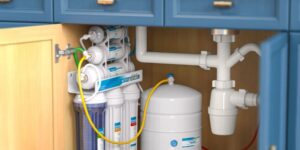
Reverse Osmosis, commonly known as RO, uses a semi-permeable membrane to separate many dissolved impurities from water. Water is passed through the membrane under pressure, while a portion of the water containing concentrated impurities is rejected.
Modern RO purifiers may combine RO with other technologies, such as UV and UF purification, activated carbon filtration, and mineral or taste-enhancement stages. The right combination depends on the quality of the incoming water.
What Should You Check Before Buying an RO Purifier in Delhi?
Before purchasing an RO system, consider these factors:
1. Test Your Water Quality
Water quality should be the starting point. A TDS test can provide useful information about dissolved solids, but TDS alone does not identify every type of contamination. If possible, understand the source and quality of your water before selecting a purifier.
2. Consider Your Water Source
Municipal water, borewell water, and tanker water can have different characteristics. A purifier suitable for one source may not necessarily be the best choice for another.
3. Look at Purification Technology
Depending on your water quality, you may need RO, UV, UF, or a combination of technologies. Avoid paying for features that are unnecessary for your specific water source.
4. Check Storage Capacity
Families with higher daily water consumption may benefit from a purifier with a larger storage tank. Smaller households may not require the same capacity.
5. Consider Filter Replacement and Service
Filters and RO membranes require periodic replacement. Before purchasing, check the availability and cost of replacement filters, membrane changes, and servicing in your area.
Benefits of Installing an RO Water Purifier
A suitable RO purifier can offer several practical benefits:
- Helps reduce many dissolved impurities
- Can improve the taste and smell of drinking water
- Provides an additional purification step for household drinking water
- Can be useful where the incoming water has high dissolved solids
- Offers convenient access to purified water at home
The actual performance depends on the purifier, water quality, installation, and maintenance.
Why Regular RO Maintenance Matters
Installing a purifier is only the first step. If servicing is delayed, water quality, flow rate, and overall purifier performance may be affected.
Regular maintenance generally includes checking filters, the RO membrane, storage tank, pipes, and other components. The service interval depends on water quality, usage, and the manufacturer's recommendations.
Choose an RO Water Purifier Based on Your Needs
There is no single RO purifier that is ideal for every Delhi household. A family using borewell water may have different purification requirements from someone receiving relatively low-TDS municipal water.
Instead of choosing a purifier simply because it is advertised as the “best,” compare the system according to your water source, water quality, daily usage, purification technology, maintenance requirements, and long-term operating cost.
Final Thoughts
Choosing an RO water purifier in Delhi becomes easier when you first understand your household's water quality and purification needs. Look beyond the initial purchase price and consider purification technology, storage capacity, filter replacement, maintenance, and after-sales support.
A properly selected and regularly maintained water purifier can make purified drinking water more convenient for everyday household use.
What's Your Reaction?