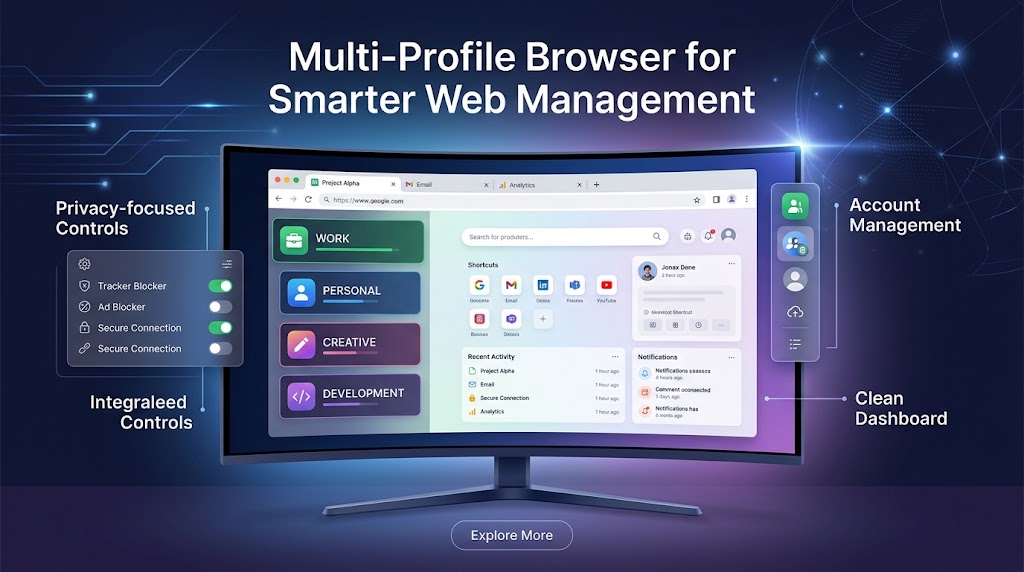
Internet browsing has become an essential part of studying, working, shopping, entertainment, and communication. 比特浏览器 is a browser option that may interest users who want a practical environment for managing their everyday online activities. A capable browser should make websites accessible while providing a smooth interface, responsive performance, and useful tools for different browsing habits. As online tasks become more demanding, choosing software that fits personal requirements can make everyday computer use considerably easier.
A Simple Approach to Everyday Browsing
Web browsers serve as gateways to almost everything people do online. From checking email and reading articles to watching videos and managing professional accounts, users depend on browsers throughout the day.
A clean interface can make these activities more comfortable. When essential controls are easy to locate, users spend less time searching through complicated menus and more time completing their actual tasks. A practical browser should provide straightforward navigation, convenient tab management, and quick access to frequently visited websites.
Performance is equally important. Pages that load smoothly and respond quickly create a better experience, particularly when users regularly move between multiple websites.
Managing Multiple Tabs Efficiently
Modern internet users rarely work with a single webpage at a time. Researching a topic may require several sources, while professional tasks can involve email, cloud services, communication platforms, and project dashboards simultaneously.
Effective tab management therefore becomes an important browser feature. Grouping related pages, keeping frequently used websites accessible, and closing unnecessary tabs can help maintain an organized workspace.
Users should also develop good browsing habits. Keeping dozens of unused tabs open can consume system resources and make it harder to locate important information. Organizing sessions according to specific tasks can provide a cleaner and more productive workflow.
Privacy Should Remain a Priority
Online convenience should never mean ignoring privacy. Every browser interacts with websites, cookies, tracking technologies, and stored browsing information, making privacy settings an important consideration.
Users should review the available options for cookies, permissions, browsing history, saved passwords, and website access. Strong account passwords and appropriate security settings can provide additional protection.
It is also wise to avoid entering sensitive information on unfamiliar websites. A browser can provide security features, but users still need to recognize suspicious links, deceptive websites, and potentially harmful downloads.
Improving Productivity While Browsing
A browser can become more than a tool for opening websites. With suitable features and extensions, it may support productivity, organization, communication, and research.
Students can keep educational resources open while taking notes elsewhere. Freelancers can manage client platforms alongside email and project tools. Businesses can access analytics dashboards, online documents, and communication services from the same browsing environment.
Bookmarks are another simple but valuable productivity feature. Instead of repeatedly searching for the same websites, users can save important pages and organize them into folders according to purpose.
Understanding Browser Performance
Browser performance depends on several factors. The browser itself matters, but computer hardware, internet speed, website design, extensions, and background processes also affect the final experience.
A browser running on an older computer may behave differently from the same software installed on a modern system. Excessive extensions can also increase resource usage and sometimes interfere with website functionality.
Regular maintenance can help. Removing extensions that are no longer necessary, keeping software updated, and clearing unwanted data when appropriate are practical steps for maintaining a smoother experience.
Updates and Security Improvements
Software updates are not simply about receiving new visual features. They can also contain important security improvements, compatibility fixes, and performance adjustments.
Users should therefore avoid ignoring update notifications for long periods. An outdated browser may have vulnerabilities that have already been addressed in newer releases.
Automatic updates can be convenient when available, while users who prefer manual control should check periodically for newer versions from reliable sources.
Choosing the Right Browser for Your Needs
Different people expect different things from their browsing software. A casual user may prioritize simplicity, while a professional user could require stronger tab management, extension compatibility, synchronization, and productivity features.
Before choosing a browser, users should consider how they actually spend time online. Someone who works with numerous web applications may need strong multitasking support. A privacy-conscious user may place greater importance on tracking controls and security settings.
There is little value in choosing software based solely on popularity. The better option is the one that works reliably with the websites, services, and workflows that matter most to the individual.
Responsible Internet Habits
Even the most capable browser cannot protect users from every online risk. Good digital habits remain essential.
Users should verify website addresses before entering credentials, avoid suspicious downloads, and be cautious with unexpected email links. Public computers and shared devices also require extra care because stored sessions and account information can expose personal data.
Using unique passwords and enabling two-factor authentication on important accounts can further strengthen online security.
The Future of Web Browsing
Browser technology continues to evolve alongside the internet. Websites are becoming more interactive, cloud applications are replacing traditional desktop software, and users increasingly expect fast access across different devices.
Future browsing experiences are likely to focus on improved performance, stronger privacy controls, better synchronization, and smarter tools for managing large amounts of online information.
For users, the goal should remain simple: choose technology that makes online activities easier without creating unnecessary complexity.
Final Thoughts
A modern browser can have a major influence on everyday digital productivity. Fast navigation, useful organization tools, reliable compatibility, privacy controls, and regular security updates all contribute to a better browsing experience.
Rather than selecting software based on marketing claims alone, users should evaluate practical performance and features against their own needs. Maintaining sensible security habits is equally important.
With the right combination of capable browsing software and responsible internet behavior, users can create a more organized, efficient, and secure way to explore the web.